
Lightning protection system testing
Test blade lightning protection in minutes, not hours.
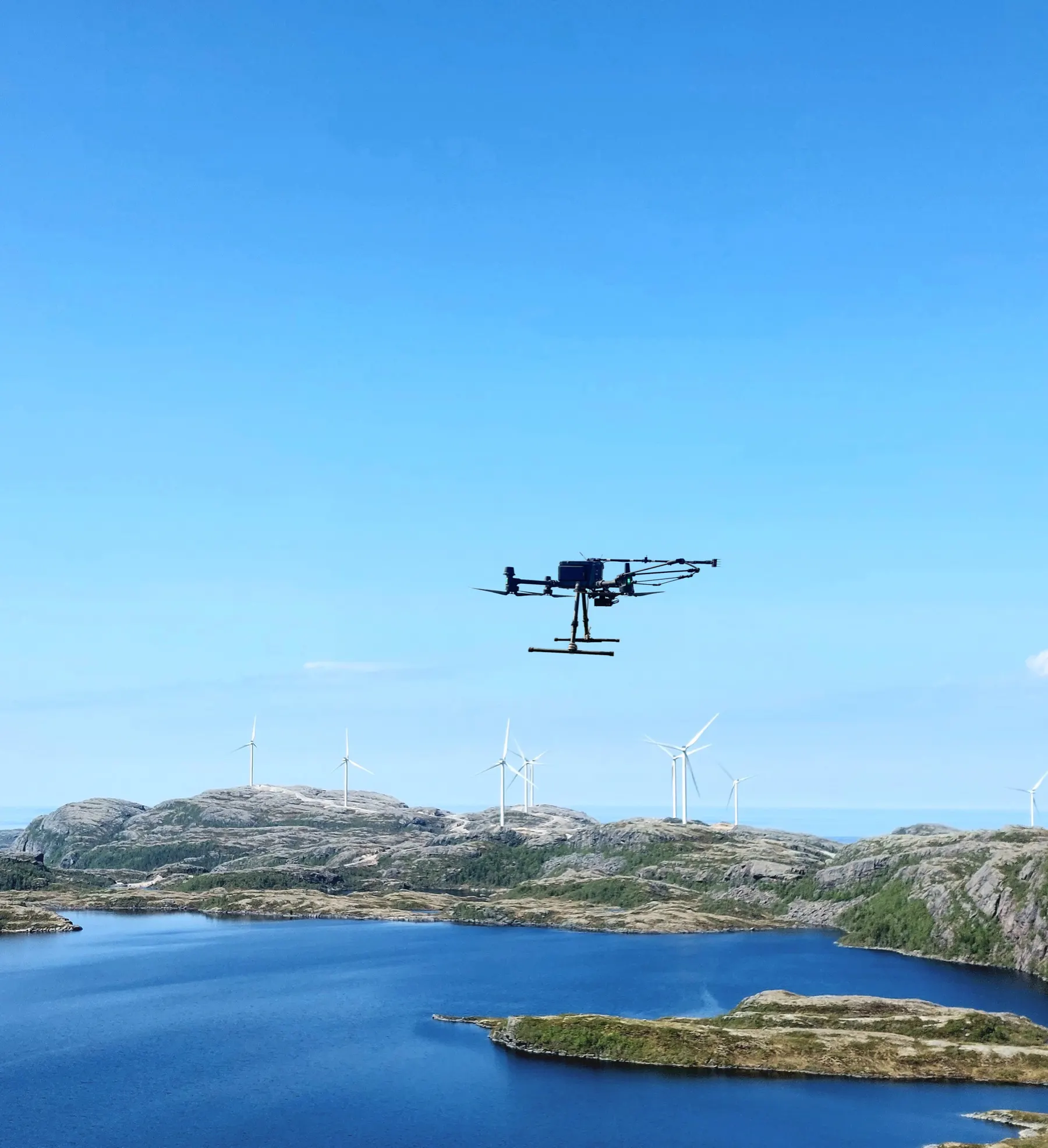
Hummingbird performs full-link lightning protection system resistance measurements with a UAV-based workflow, reducing rope access, confined-space work, and turbine downtime.
What Hummingbird is
A UAV-delivered full-link resistance test—from receptor to root.
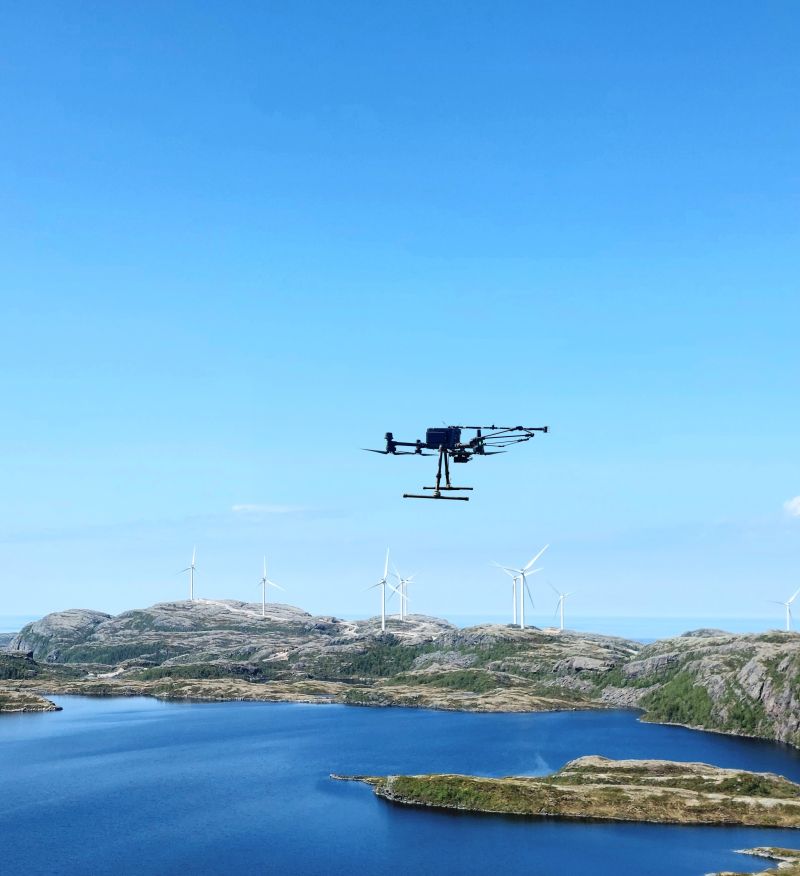
Hummingbird brings the measurement contact to the blade, tests the complete lightning protection path and records the result while the operating team remains on the ground.
A visual inspection can show the condition of a receptor, but it cannot confirm that the conductive path remains electrically continuous. Hummingbird connects UAV contact, full-link measurement and campaign evidence in one repeatable workflow.
Full-link measurement
Test the complete electrical path from receptor to blade root.
UAV-delivered contact
Keep the specialist test crew on the ground during airborne contact.
Onshore + offshore
Plan the same structured test around different campaign environments.
Documented results
Retain comparable measurements with turbine, blade and receptor context.
How it works
A measurement workflow built for the field.
Four connected stages make the receptor-to-root pathway clear from campaign planning through operator-ready reporting.
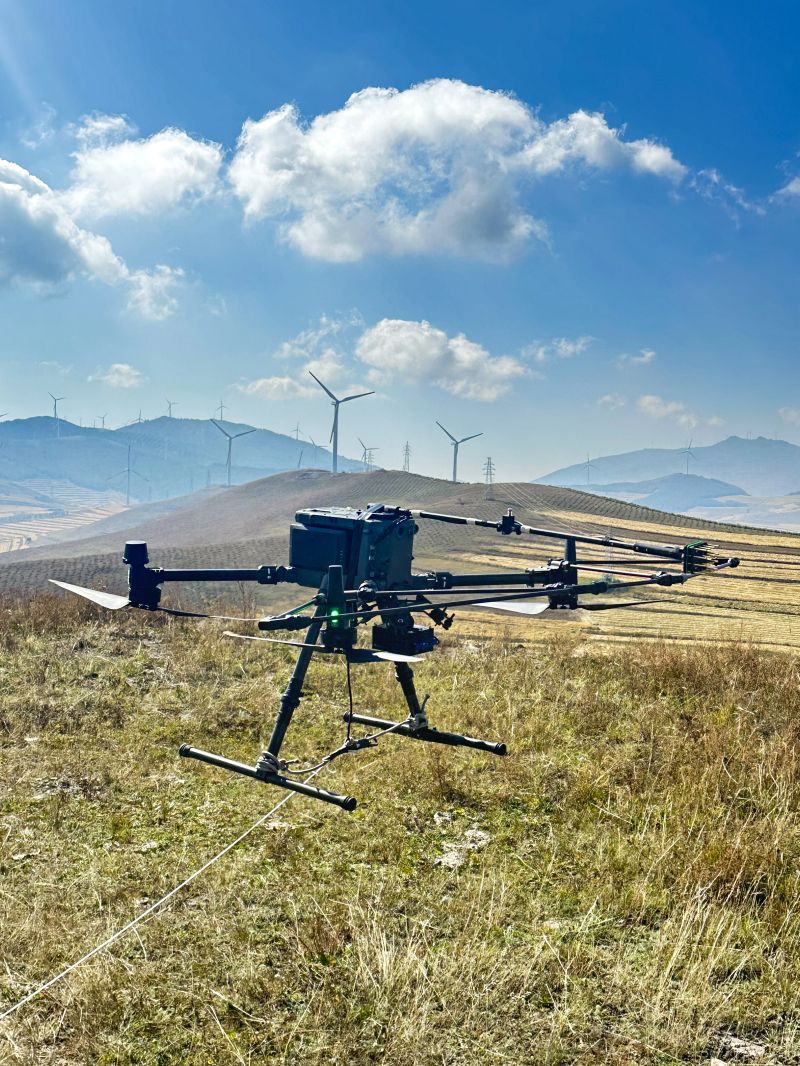
Define the turbine and test points
Confirm the turbine, blade, receptor sequence, blade-root connection, campaign identifiers and test requirements. Site and weather conditions are reviewed before deployment.
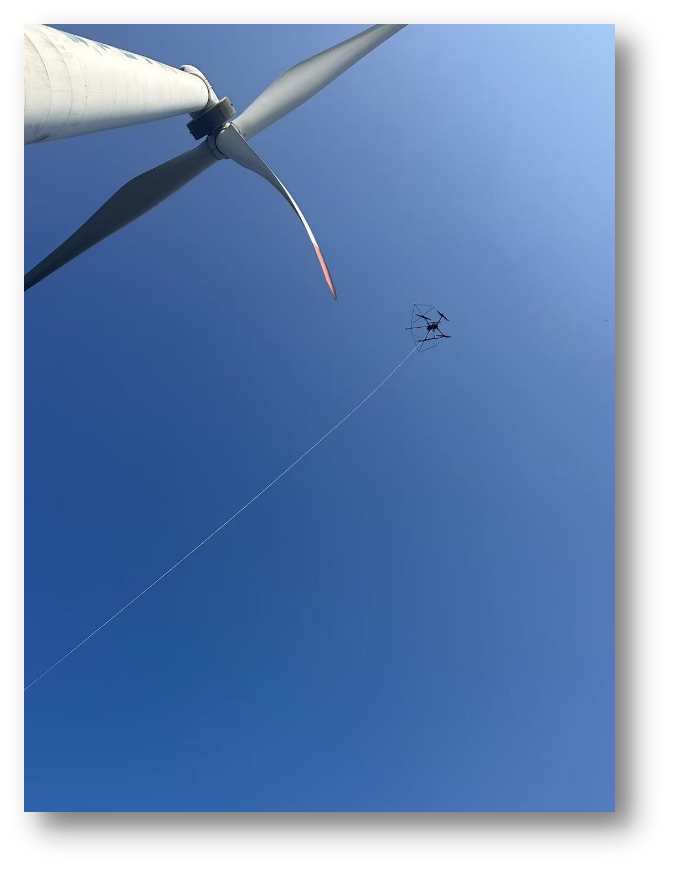
Establish stable receptor contact
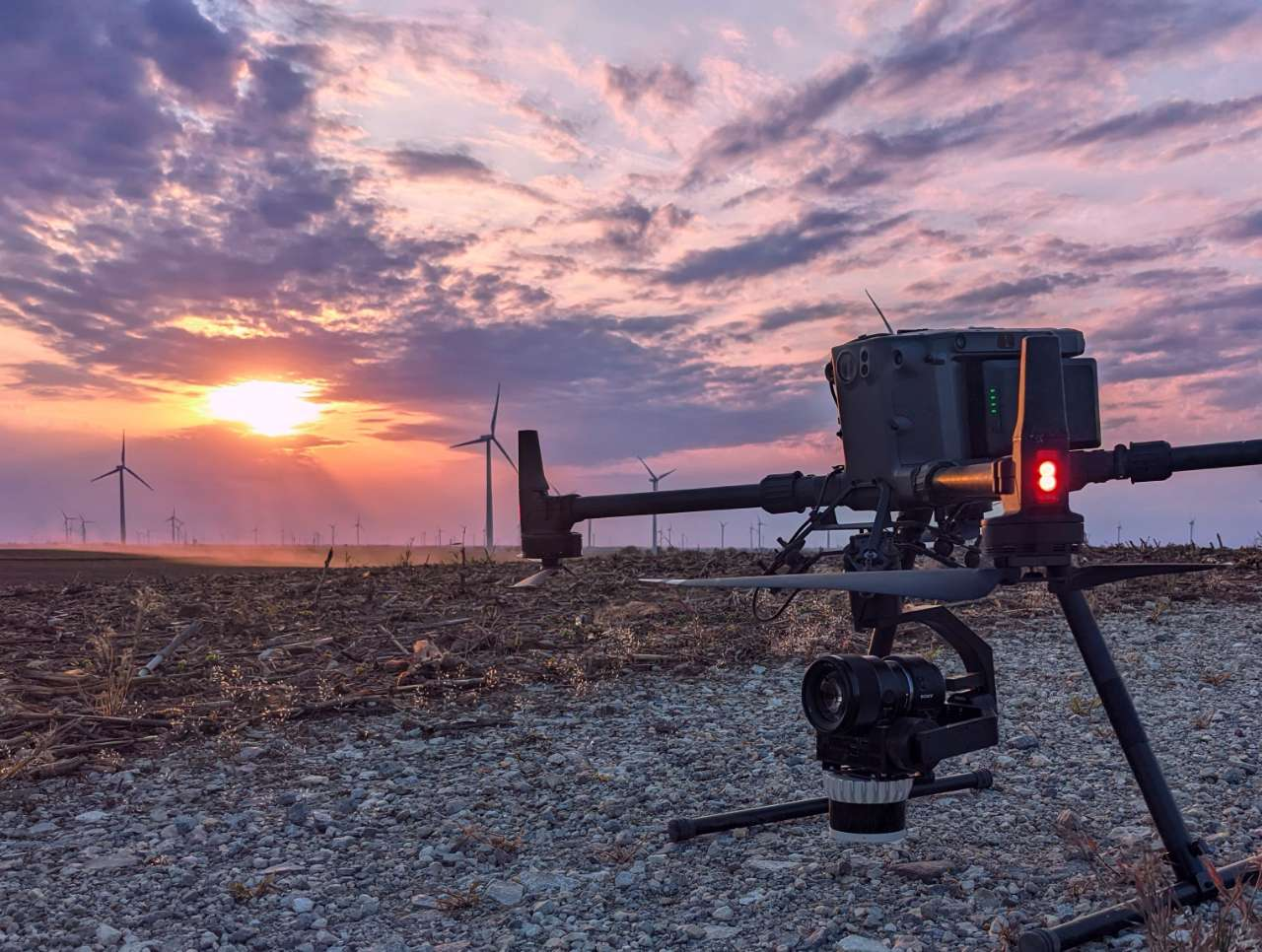
The UAV delivers the measurement head to the selected lightning receptor while the ground-side connection is prepared at the blade root.
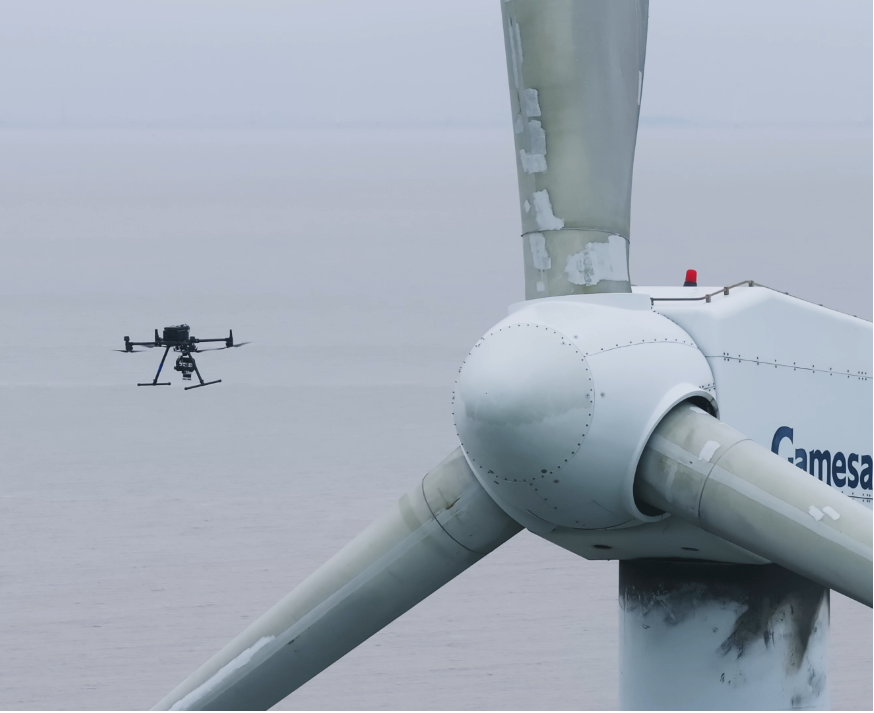
Test and validate the full link
Electrical resistance is measured across the complete lightning protection path. The team can repeat and validate the reading before the aircraft moves to the next receptor.
Connect the result to the asset
The measurement, test point, operating context, review status and recommended follow-up remain connected to the turbine and blade record.
What operators receive
A result your maintenance team can act on.
Results stay connected to the turbine, blade and receptor so technical teams can review measurements, document status and prioritize follow-up work.
FAQ
Questions operators ask about Hummingbird.
What part of the LPS does Hummingbird test?
Hummingbird supports full-link resistance measurement from the blade receptor to the blade root.
Does the test require rope access?
The UAV delivers the measurement contact, allowing the operating team to remain on the ground during the airborne part of the workflow.
Can Hummingbird be used offshore?
The solution is designed for both onshore and offshore campaigns, subject to site, turbine and weather requirements.
How are the results delivered?
Measurements and campaign context can be organized into technical records and operator-ready reports for maintenance planning.
Plan the next LPS test