
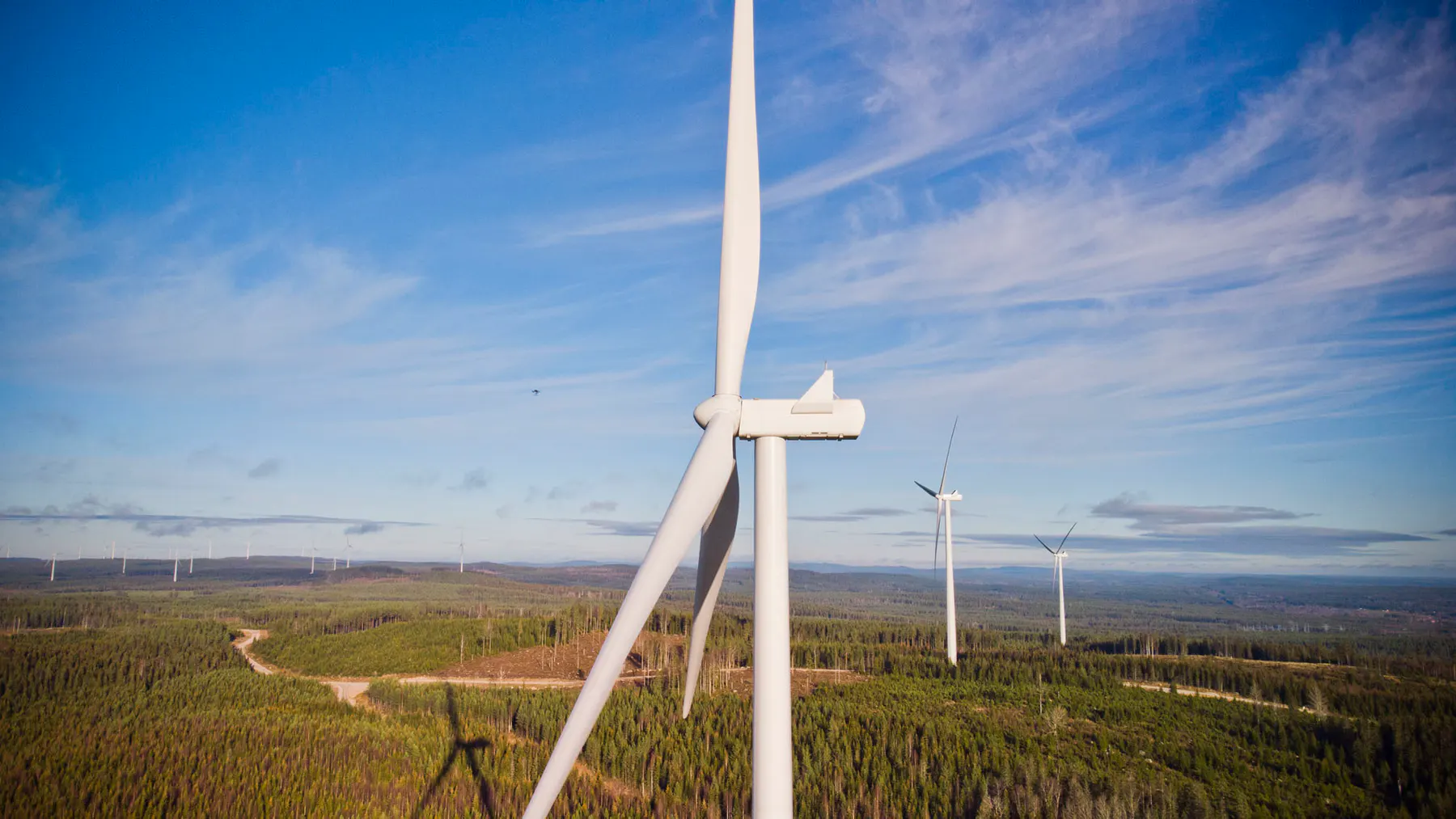
External blade inspection
Inspect every blade surface in one autonomous flight.
IBIS gives wind operators repeatable external blade evidence without putting technicians at height. One autonomous flight captures all four sides of every blade for analysis and maintenance planning.
What IBIS is
Repeatable external blade inspection.
IBIS is Clobotics’ autonomous UAV inspection solution for wind turbine blades. It follows a controlled flight path around the turbine to capture consistent, high-resolution evidence across the leading edge, pressure side, suction side and trailing edge—so every blade can be reviewed against the same standard.
Repeatable stand-off distance and image angles across campaigns.
Inspection teams remain safely on the ground throughout capture.
Evidence flows directly into IRIS for review and planning.
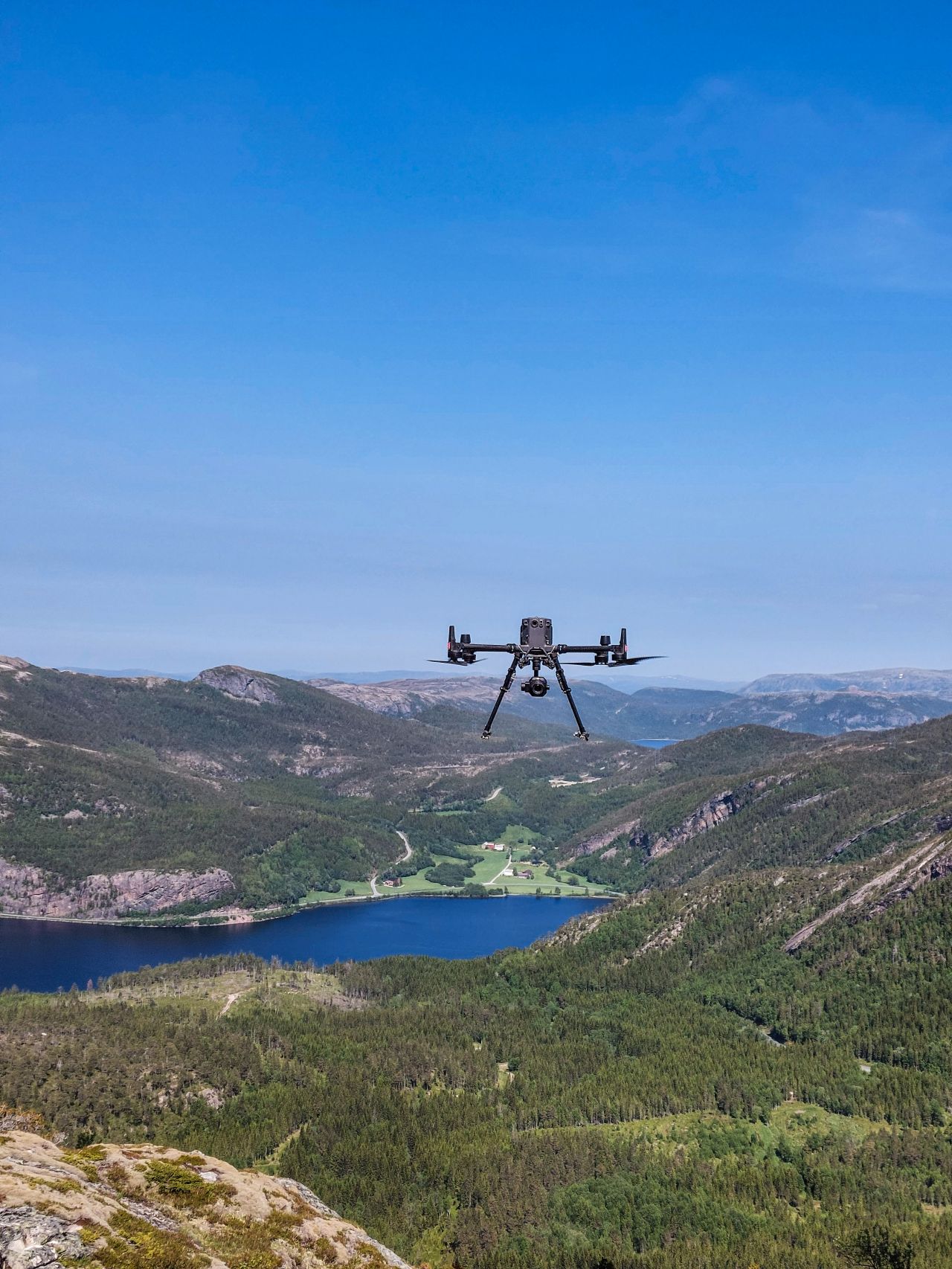
Autonomous inspection intelligence
Autonomous intelligence built around the blade.
IBIS combines sensing, positioning and flight control to build a repeatable inspection path around different turbine and blade configurations.
LiDAR + vision positioning
LiDAR and computer vision help determine turbine orientation, tower height and blade position. Point-cloud context supports more accurate assessment of where a finding sits and how large it is.
Automatic flight planning
IBIS calculates its inspection path without requiring a pre-built turbine model or a manually planned route, then tracks the blade while maintaining consistent capture distance and image angles.
Built-in flight safety
A defined 3D safety zone, real-time image segmentation and obstacle awareness help the operator manage the mission while the aircraft follows the blade.
How it works
From flight plan to operator-ready findings.
Standardized image capture gives AI analysis consistent, comparable source data across turbines and inspection campaigns.
Inspect and prepare the system
The operator checks the aircraft, payload and mission setup before moving into position.
Prepare the turbine
The turbine is stopped, locked and positioned in an inverted Y according to the approved site procedure.
Start with one command
The operator places IBIS in the approved launch area and initiates the autonomous mission.
Follow every blade surface
IBIS identifies the turbine and captures the leading edge, pressure side, suction side and trailing edge.
Land and connect the record
The aircraft returns to the launch point and the verified dataset is uploaded to IRIS for analysis and reporting.
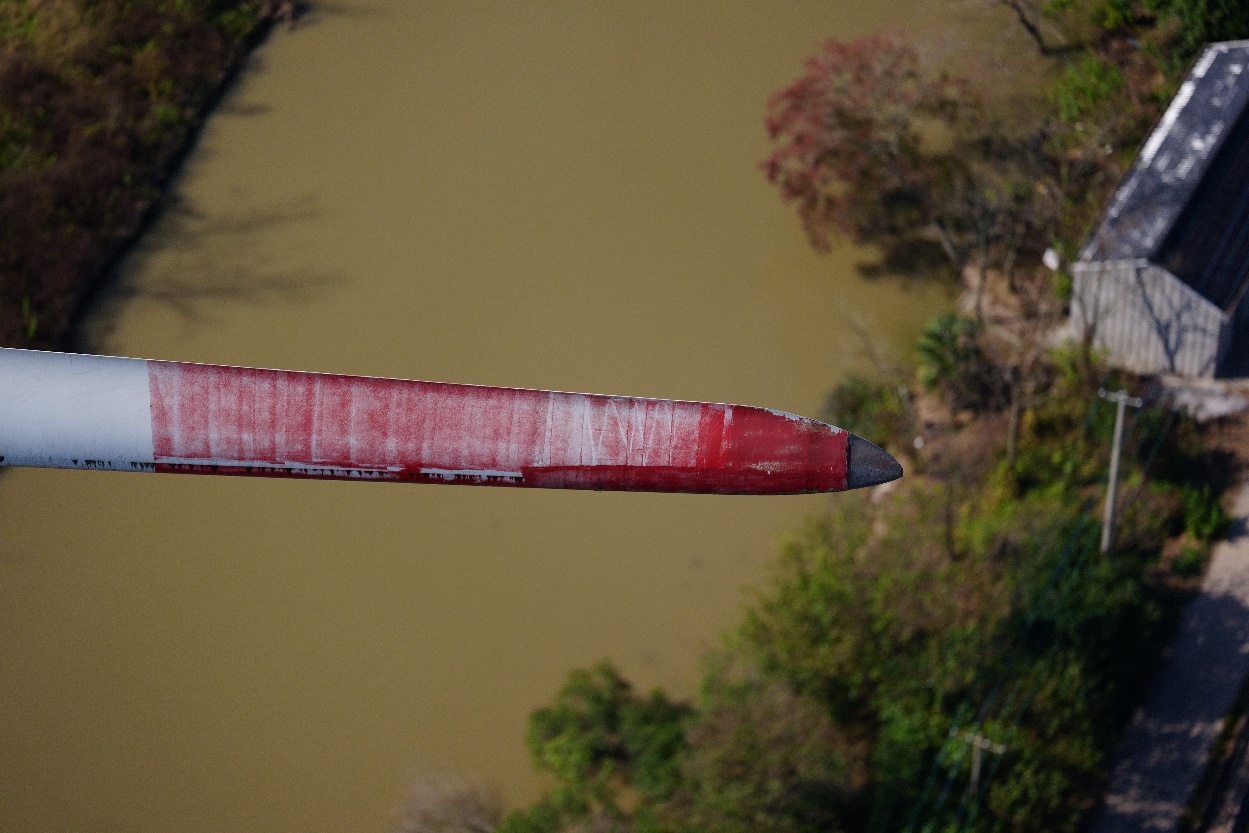
Inspection while turbines operate
Inspect blades without waiting for a shutdown window.
IBIS can capture blade condition while the turbine remains in operation, helping operators expand inspection windows, reduce lost generation and identify developing surface conditions earlier.
More inspection windows
Reduce dependence on shutdown planning and site coordination, so teams can schedule inspections across more operating and weather conditions.
Reduced generation impact
Avoid a dedicated shutdown for routine blade screening, especially across large fleets or higher-frequency inspection programs.
Dynamic flight control
Vision and multiple sensors help the aircraft adapt to blade rotation and yaw changes while maintaining a controlled capture distance.
Consistent blade coverage
Four flight paths capture the pressure side, suction side, leading edge and trailing edge, then organize the images into a reviewable blade record.
One system, two environments
Built for onshore and offshore campaigns.
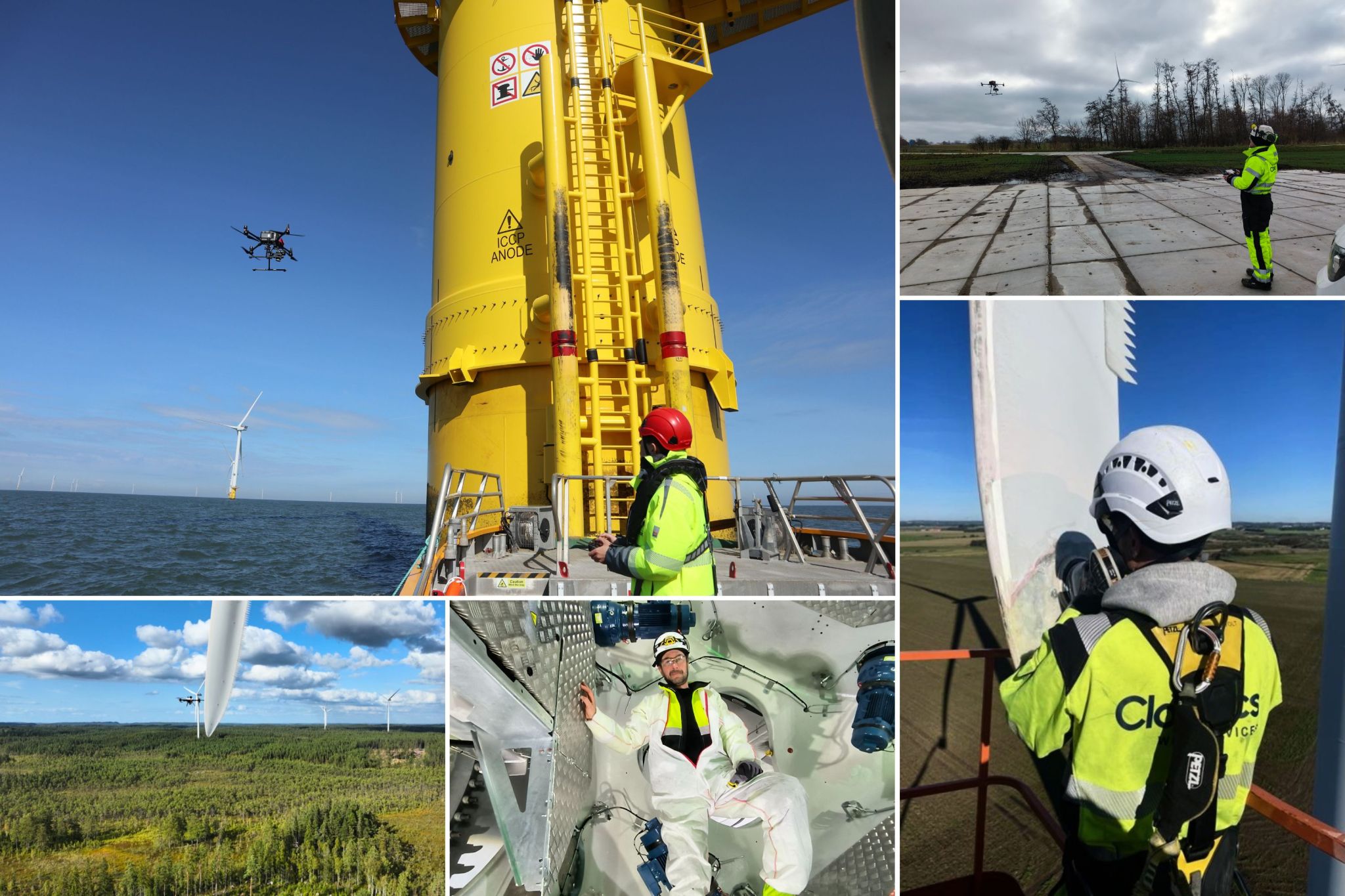
Use-case imagery gives operators the context they need to picture the technology inside their own maintenance program.
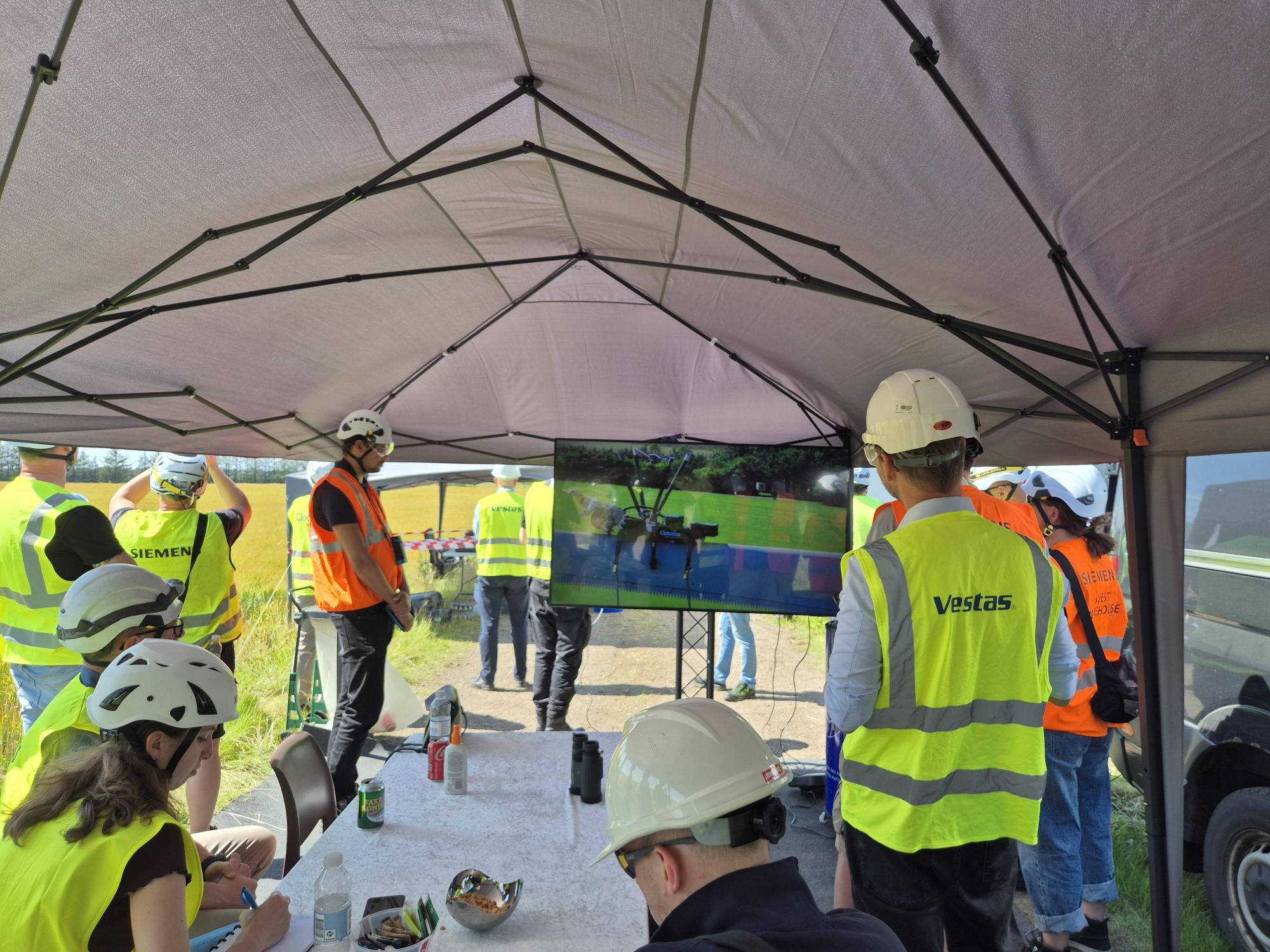
Onshore
Consistent across every turbine
Repeatable capture across large turbine populations, sites and inspection years.
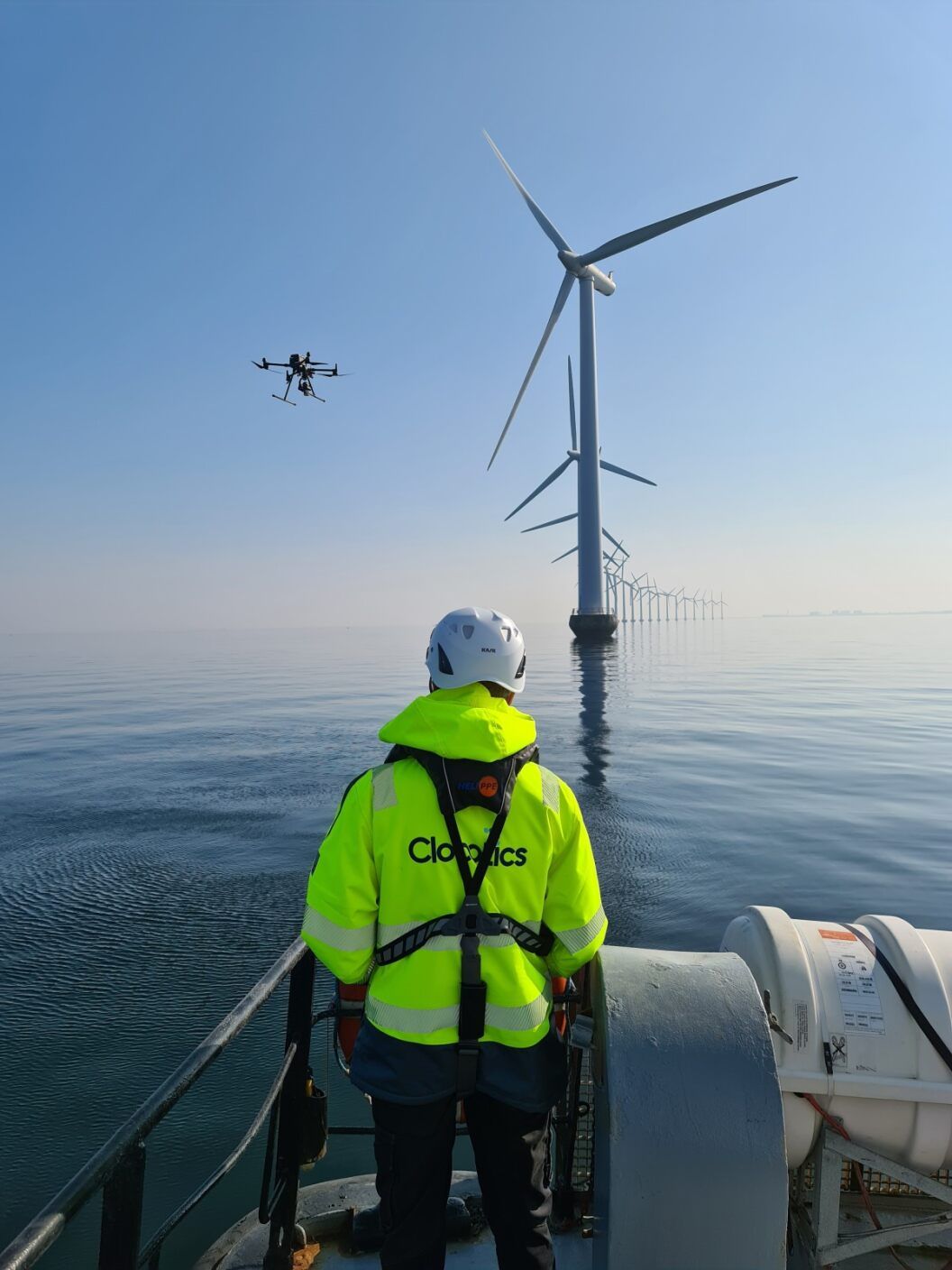
Offshore
More evidence per mobilization
Capture blade and component evidence while reducing repeated offshore access.
What you receive
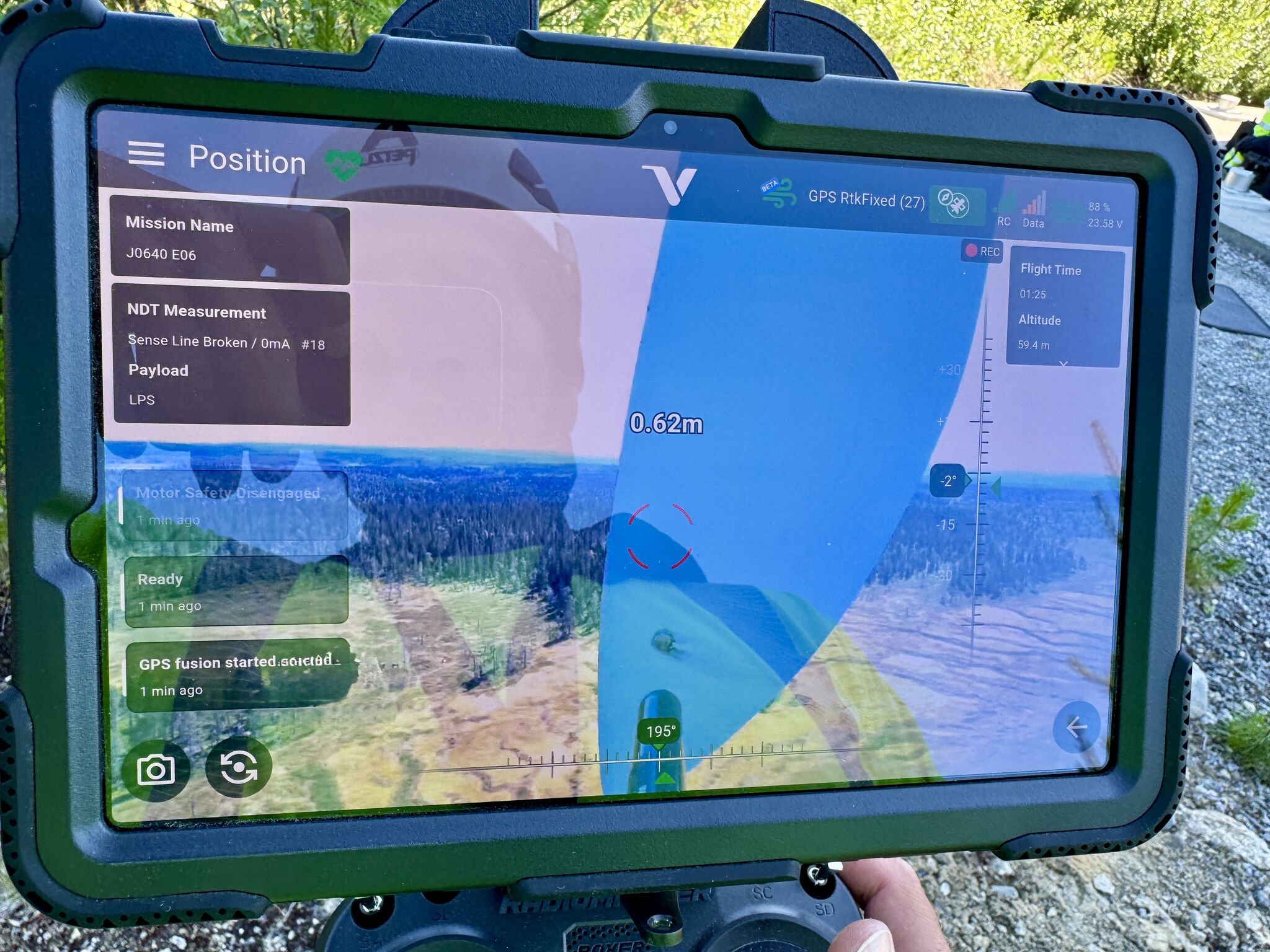
Not just imagery. A maintenance-ready record.
The page should show the buyer’s deliverable, not only the hardware used to collect it.
Customer case study · Brazil
Scaling blade inspections without compromising reliability.
ArthWind used the IBIS inspection platform to expand turbine inspection capacity across Brazil while preserving repeatable image quality and decision-ready evidence for wind owners.
See it in action
A complete blade record, captured in minutes.
Watch IBIS operate around the turbine and see how autonomous capture supports a repeatable external blade inspection workflow.
FAQ
Questions operators ask about IBIS.
How long does an IBIS inspection take?
Inspection time depends on blade length, turbine type, site conditions and campaign requirements. Clobotics reviews these factors when planning the expected site workflow and inspection window.
Which blade surfaces are covered?
IBIS captures the leading edge, pressure side, suction side and trailing edge using a repeatable autonomous flight path.
Can IBIS support offshore projects?
Yes. IBIS can be deployed in both onshore and offshore campaigns, subject to the site’s operating and weather conditions.
How is the data delivered?
Inspection evidence can be reviewed, annotated and organized through IRIS, with operator-ready reporting and maintenance priorities.
Plan an inspection campaign