
Internal blade inspection
Understand blade condition from the inside out.
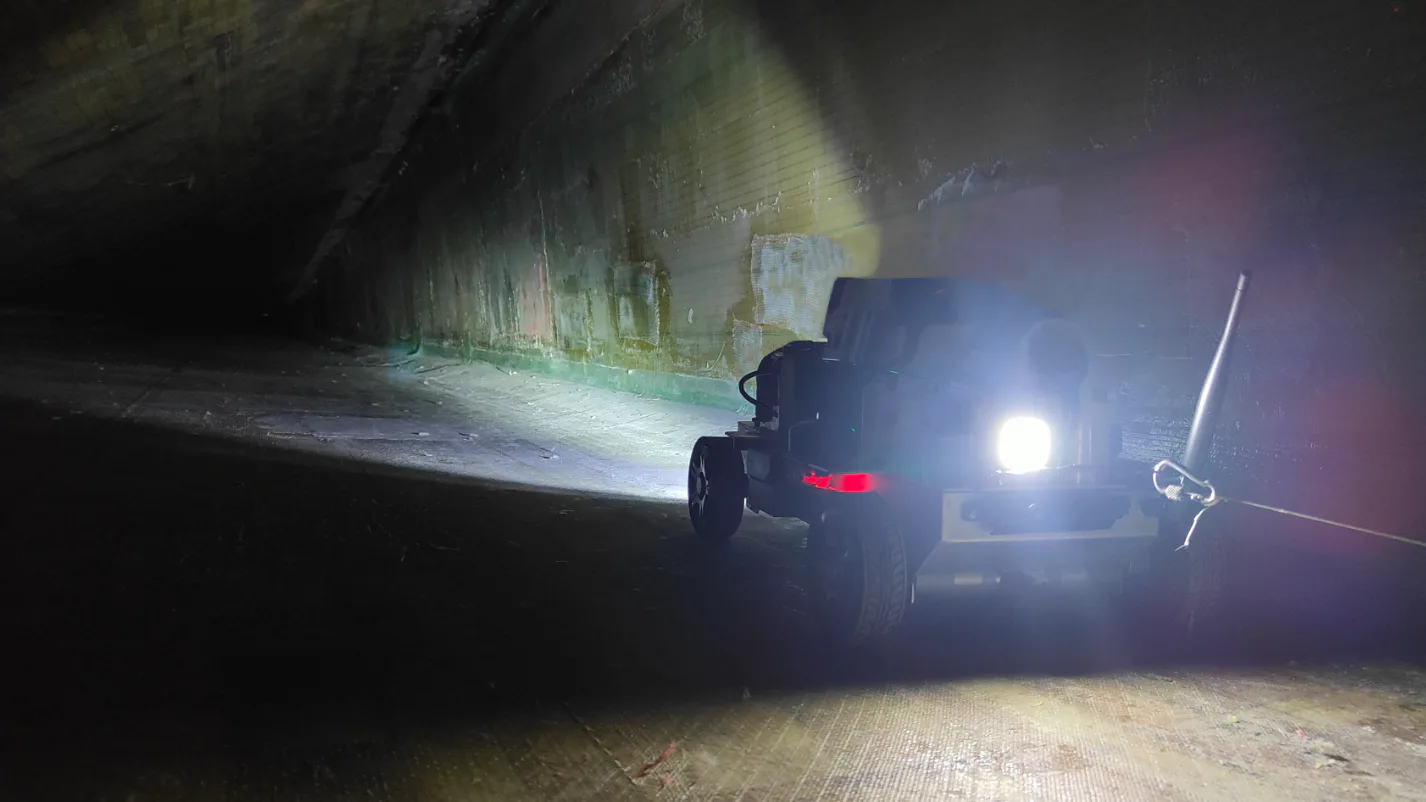
KIWI carries high-resolution cameras and powerful lighting from the blade root toward the tip, giving engineering teams evidence of internal structural conditions that external inspection cannot reveal.
What KIWI is
A crawler built for the places people should not have to enter.
KIWI is Clobotics’ purpose-built crawler for visual inspection inside wind turbine blades. Twin high-resolution HDR cameras and an integrated lighting system document the interior surfaces as the robot travels away from the blade root.
The inspection creates evidence for conditions that may be invisible from the outside—including large stress cracks, bondline failures, root-area damage and some lightning-related damage—while retaining where each image and point of interest was captured.
Purpose-built capture
Light the structure. Keep the context.
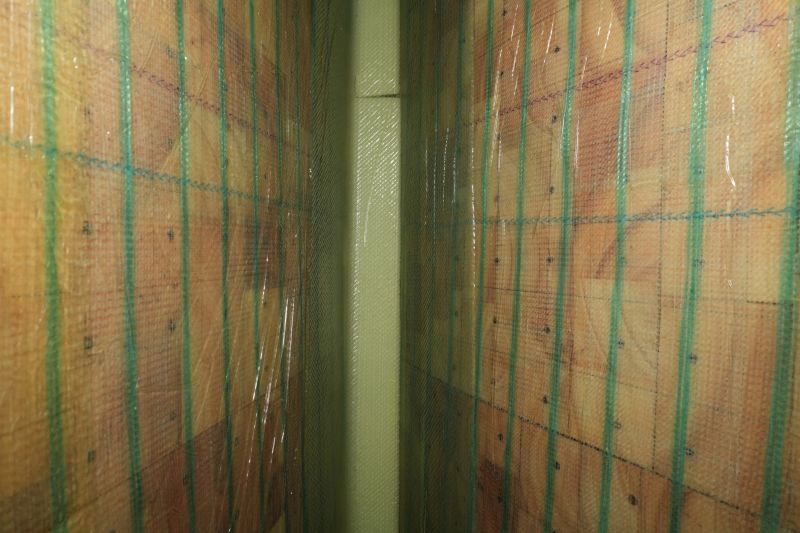
Inside a blade, image quality depends on more than the camera. KIWI combines high dynamic range capture, directed LED lighting and distance tracking so reviewers can see the surface and understand where the evidence belongs.
- Twin HDR camera views
- Controlled LED illumination
- Tethered retrieval and operator control
- Location context from the blade root
How it works
From blade access to an operator-ready internal record.
The crawler, technician and IRIS platform work as one inspection sequence—preserving image quality, position and review context from capture through follow-up.
Plan the inspection
Confirm turbine, blade, access and site requirements before the internal campaign begins.
Place KIWI
The crawler is positioned inside the blade with its tether and camera system checked.
Document the surfaces
KIWI travels into the blade while HDR cameras and lighting capture the internal structure.
Mark the finding
Reviewers identify points of interest and retain their image and distance-from-root context.
Build the record
Evidence is organized in IRIS for analysis, reporting and recommended follow-up actions.
Controlled movement
Reach deeper without sending a technician through the blade.
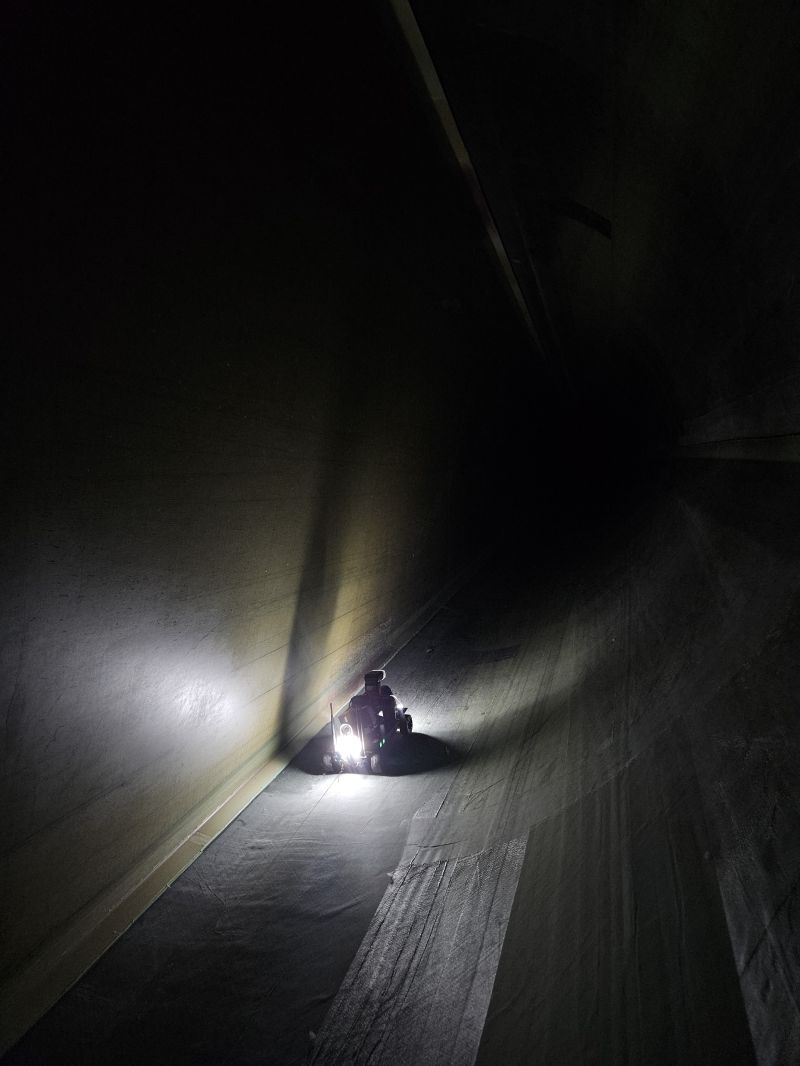
The operator manages the crawler from the accessible root area. KIWI’s compact form, lighting and tethered retrieval support repeatable movement through a dark, confined structure while keeping the team outside the inspected path.
Inspect internal structures without sending technicians into the crawler’s inspection path, reducing confined-space exposure.
Evidence inside the structure
Internal evidence with a clear next step.
External imagery cannot show every structural condition. KIWI adds the internal view needed to investigate the blade as a complete asset, then organizes each useful view around the correct turbine and blade for reporting and maintenance planning.
What the inspection reveals
Connect every internal finding to its exact blade position.
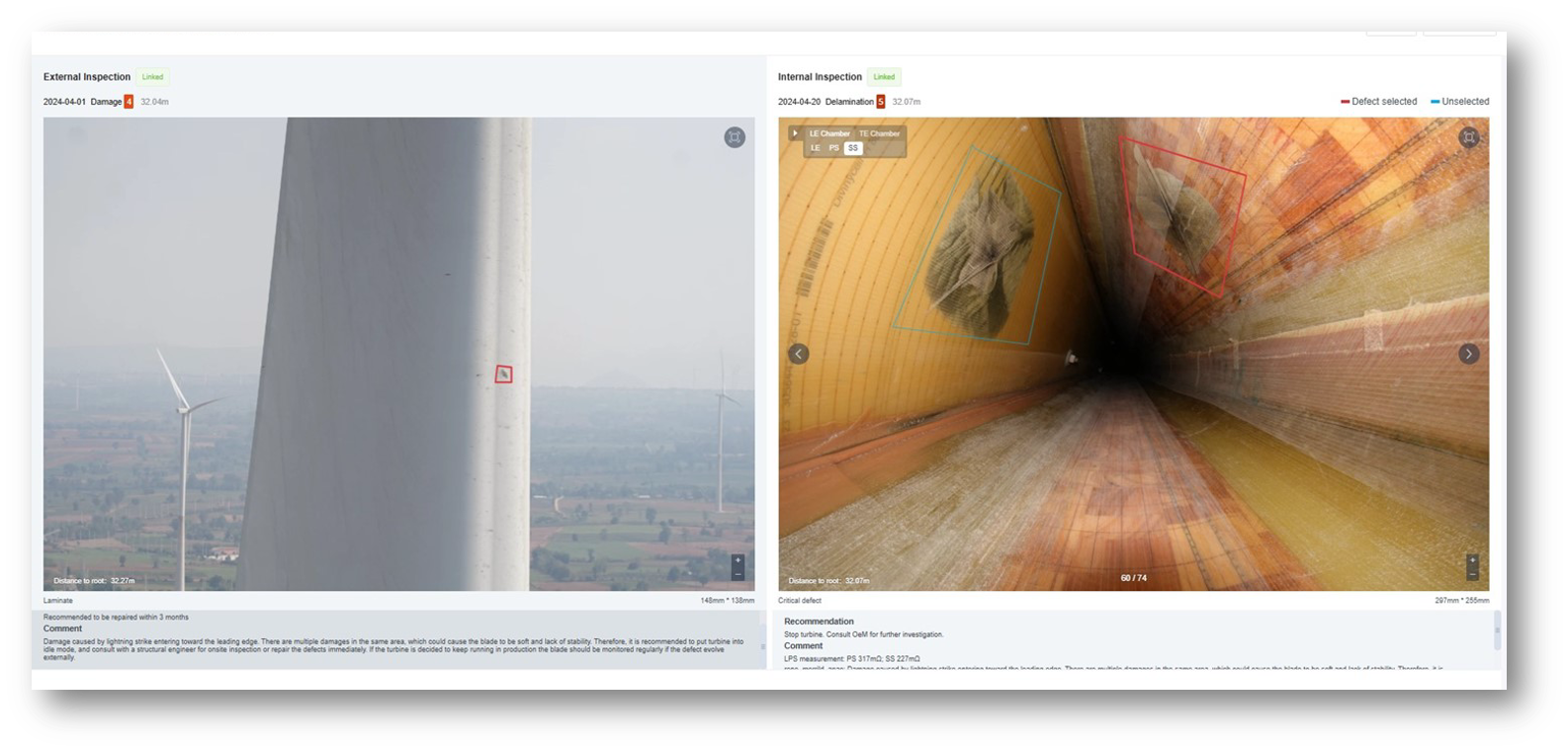
KIWI combines 360° image capture through accessible interior areas with sensor-recorded position and capture parameters. The evidence can be mapped to blade structures and aligned with IBIS external findings in IRIS, giving specialists a clearer basis for judging extent, priority and next action.
What you receive
One blade record, ready for review and action.
KIWI findings can be reviewed in IRIS alongside IBIS external imagery, Hummingbird LPS evidence and retained maintenance history.
FAQ
Questions operators ask about KIWI.
What types of conditions can KIWI document?
KIWI provides visual evidence for internal conditions such as large stress cracks, bondline failures, root-area damage, previous repairs and some lightning-related damage. Final assessment and recommendations remain part of the technical review process.
How far can the crawler travel into the blade?
KIWI is designed to collect structured image coverage through internal areas that are physically accessible to the crawler. Actual reach depends on blade design, chamber geometry, internal obstacles and site conditions.
Does a technician need to enter the inspected area?
KIWI is designed to be positioned in the blade and remotely operated without requiring a technician to physically enter the path being inspected. Access and safety procedures remain specific to each turbine and campaign.
How are findings delivered?
Images and points of interest can be uploaded to IRIS for labeling, analysis, reporting and development of follow-up actions, keeping the evidence connected to the turbine and blade record.
See inside the blade