Executive summary
From reported activity to verified market execution.
A global alcoholic beverage company had extensive distribution coverage across China, but its teams could not consistently connect outlet records, field visits, and in-store conditions. Clobotics created a common retail execution workflow that verified the outlet, validated each visit, interpreted store evidence, and directed commercial teams to the issues requiring action.
The business challenge
National reach did not provide outlet-level certainty
The brewer’s products reached consumers through supermarkets, restaurants, entertainment venues, wholesalers, and a vast network of independent stores. Each additional route-to-market layer expanded commercial reach while increasing the distance between the brand and the final outlet.
The company already had approximately 10,000 field and distributor users, more than 7,000 active SKUs, and annual coverage of around three million outlets. At peak, the program processed approximately six million store images in one month. The problem was not a lack of field data. It was whether that data could be trusted.
Outlet records changed faster than master data
Stores moved, closed, changed ownership, or appeared under multiple names. An address or location pin did not always confirm the correct storefront.
Submitted activity did not always prove a visit
Duplicate, reused, incomplete, or incorrectly located evidence could enter reporting and distort field-performance and execution results.
Execution rules varied by channel and market
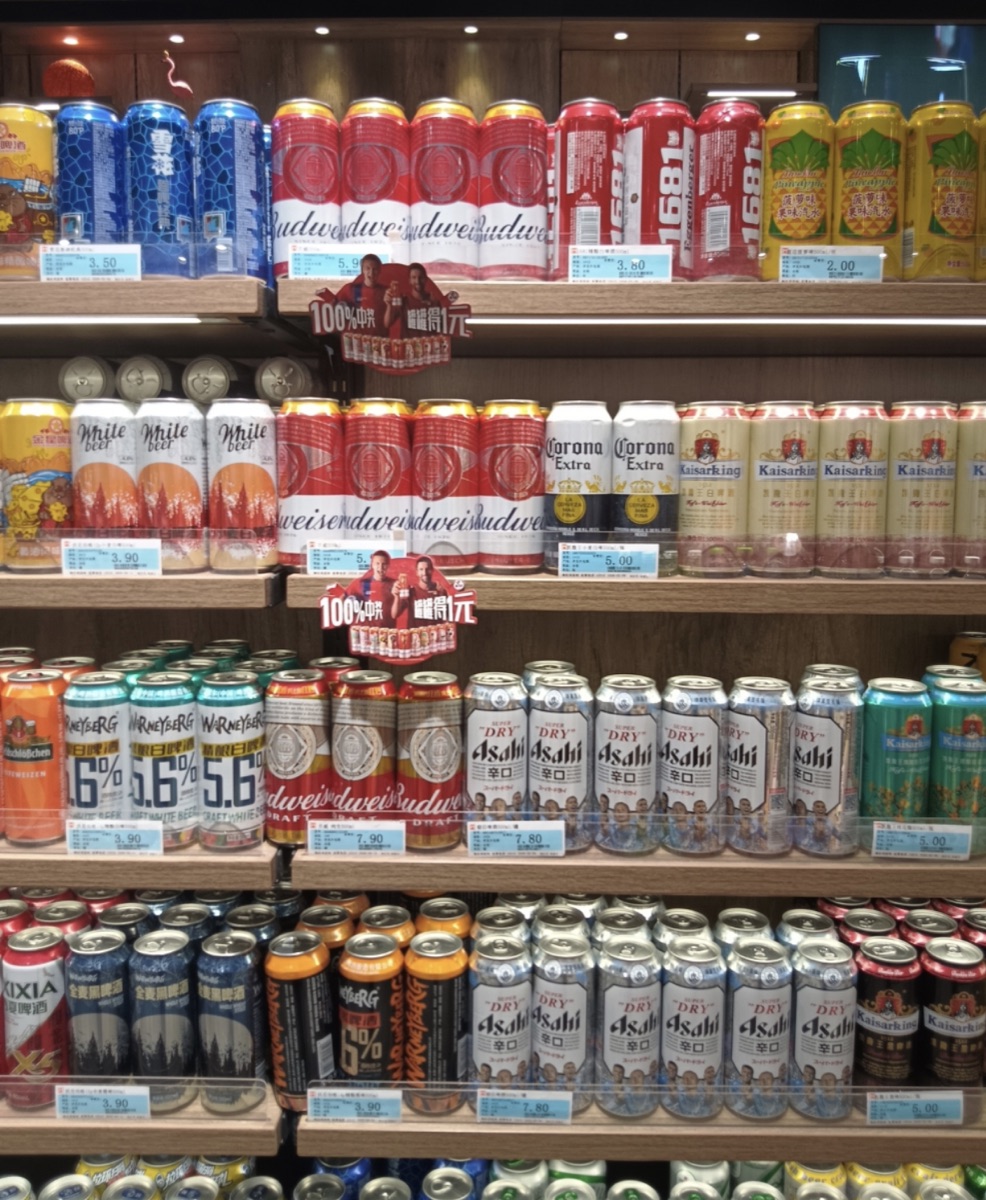
Packaging, price points, display space, POSM, pack formats, and promotional rules differed across regions, channels, and store types.
The Clobotics solution
Connect every execution result to a real outlet and a verified visit
Clobotics created one retail execution layer across the brewer’s channels. The platform combined structured field capture, evidence-quality controls, outlet verification, SKU recognition, customer-specific business rules, and human review for exceptional cases.
Record the store efficiently
Guided images and video captured shelves, coolers, prices, displays, and promotional materials. Video was used for long shelves and SKU-dense environments where separate photographs slowed the visit.
Confirm outlet and visit integrity
Geolocation, timestamps, storefront and interior evidence, outlet records, and reference data helped confirm that the representative visited the correct store.
Turn visual evidence into execution data
Recognition covered more than 7,000 active SKUs and over 550 promotional materials, including products, pack sizes, prices, facings, displays, and competitor visibility.
Route exceptions to the right team
Customer rules translated observations into channel-specific compliance results and store-level priorities for field, sales, and commercial teams.
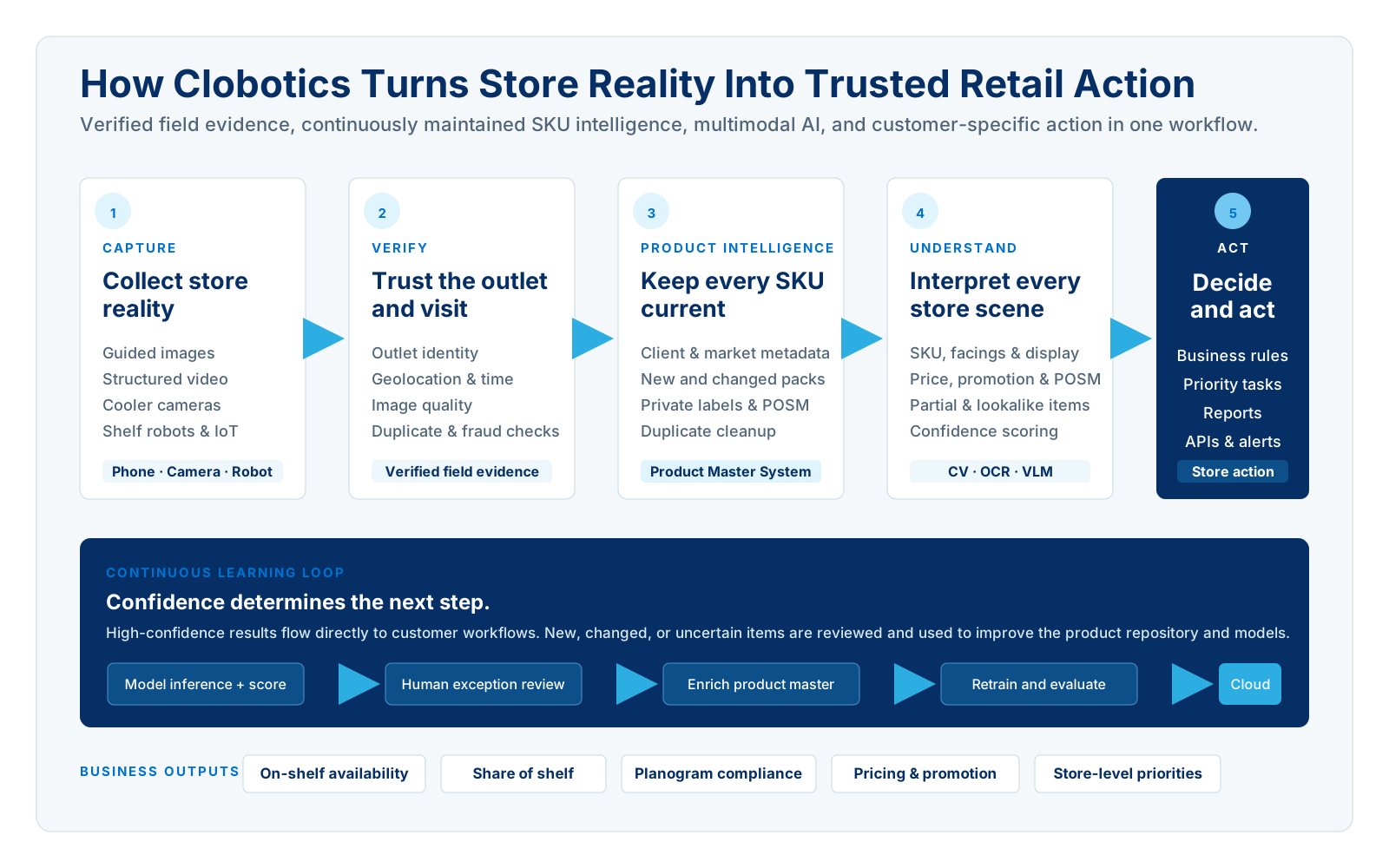
For selected audit programs, approximately 12,800 outlets were reviewed each month across 64 regions. Human reviewers assessed unusual conditions and disputed results; after correction and appeal review, judgment accuracy exceeded 99%.
Explore the capabilities behind this workflow on the Clobotics retail execution platform.
Implementation at national scale
Migrate the operating system without stopping field activity
Visits, campaigns, and reporting could not pause while the underlying platform changed. Clobotics migrated approximately 7,100 SKUs, reused the customer’s historical image library, integrated with the existing platform, and prepared recognition workflows for national deployment.
The transition was completed with no operational downtime. The rollout also established ongoing processes for new products, packaging changes, seasonal materials, model updates, exception handling, appeals, and user support.
Results were delivered through real-time interfaces, asynchronous callbacks, daily data tables, and periodic reports connected to the brewer’s existing processes. The implementation changed the field workflow as well as the reporting layer.
Results
A more productive field team and a more dependable view of execution
Structured video reduced in-store evidence collection time by 40% and increased outlet coverage per representative by 25%. Automated quality checks and outlet verification reduced ghost visits from 32% to 1%.
More time correcting issues
Representatives spent less time documenting long shelves and crowded coolers and more time addressing availability, pricing, and display gaps.
Evidence connected to the outlet
Teams could distinguish a genuine store-level problem from an unreliable visit, outdated outlet record, or incomplete submission.
Channel-specific decisions
Pricing, assortment, POSM, share of shelf, and campaign compliance could be evaluated according to the correct store and channel rules.
National visibility with local context
Management gained a more consistent view of execution across regions without treating every outlet as if it operated in the same way.
From assumed distribution coverage to verified retail execution.
The brewer could see which outlets were active, whether visits were genuine, how products were priced and presented, where promotional standards were followed, and which stores required corrective action.
Lessons for beverage brands
Start with outlet truth. Shelf analytics are less useful when the business cannot confirm which store produced the evidence. Outlet identity and visit verification should be part of the operating design.
Match capture to store conditions. Still images work well for compact tasks. Structured video can reduce collection time across long shelves, crowded coolers, and visits covering multiple KPIs.
Plan for continuous change. New packaging, seasonal campaigns, master-data updates, local exceptions, and disputed results are normal parts of retail execution. A scalable program needs an operating model for these changes, not only a recognition model.
Frequently asked questions
What makes beverage retail execution difficult in China?
China’s beer market spans key accounts, restaurants, entertainment venues, traditional trade, and millions of small independent outlets. Outlet records change quickly, local formats vary, and products, prices, packaging, and promotional rules differ by region and channel.
How can beverage companies verify that a store visit is genuine?
A reliable workflow connects image or video evidence with outlet identity, location, timestamps, visit rules, and content-quality checks. Duplicate, reused, incomplete, or incorrectly located submissions can then be identified before they affect execution reporting.
When is video capture more efficient than still photography for retail execution?
Structured video is often more efficient for long shelves, crowded coolers, stores with many SKUs, and visits covering several execution tasks. In this case, video-assisted capture reduced in-store evidence collection time by 40%.
About Clobotics
Clobotics helps consumer brands digitize retail execution through structured image and video capture, computer vision, outlet and visit validation, customer-specific business rules, analytics, and human exception handling.
Explore Clobotics retail solutions or talk to our team about improving execution across fragmented markets.