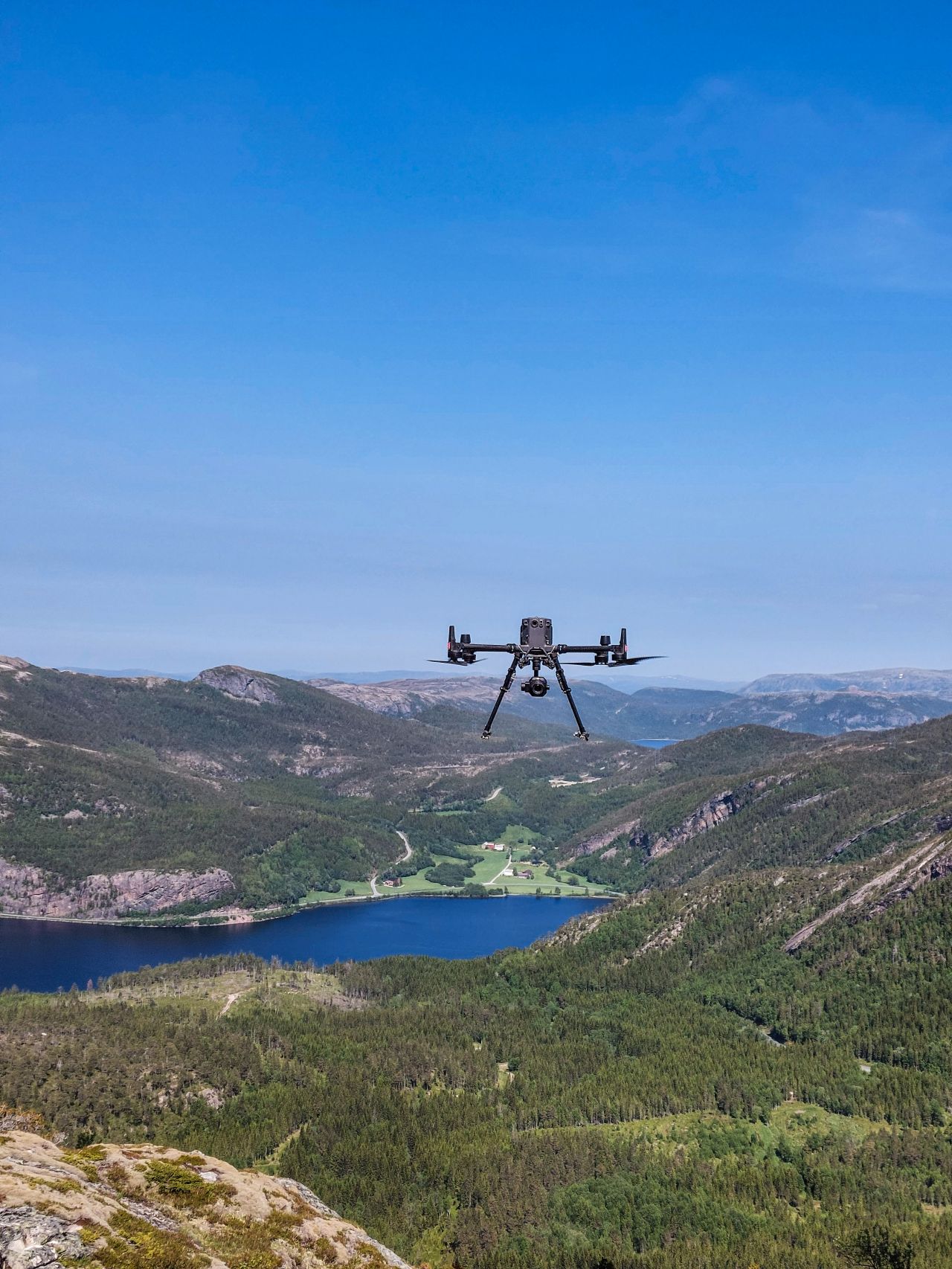
Stopped blade inspection provides controlled close-range imagery for detailed assessment. In-service inspection keeps the turbine operating and supports faster, more frequent fleet screening. The right choice depends on the maintenance decision, image clarity, viewing angles, blade coverage, and the quality of the final record.
Most drone blade inspections still begin with a shutdown request. The rotor must stop, the blades must be positioned, and site teams may need to coordinate access before the aircraft can begin.
That process can produce excellent evidence, but every shutdown adds scheduling work and interrupts generation. Lost energy is easy to estimate:
Lost energy ≈ turbine output at the time of inspection × total shutdown duration
A turbine producing 3 MW that remains stopped for 45 minutes for positioning, inspection, and restart would forgo approximately 2.25 MWh. The commercial impact varies with wind, power price, curtailment, and the real duration of the stop, but the operational tradeoff remains: a more frequent inspection program can require more production interruptions.
This is why operators are increasingly evaluating in-service blade inspection: it can expand available inspection windows and reduce the need to interrupt generation for every routine screening campaign.
The useful question is no longer only whether a system can photograph a rotating blade. Operators need to know whether the resulting evidence is clear, complete, traceable, and suitable for the decision they need to make.
Why inspecting a rotating blade is difficult
An operating rotor turns image capture into a dynamic problem. Blade position, distance, angle, lighting, and background change throughout every revolution, so a useful inspection must solve three things at once.
Preserve sharp surface detail
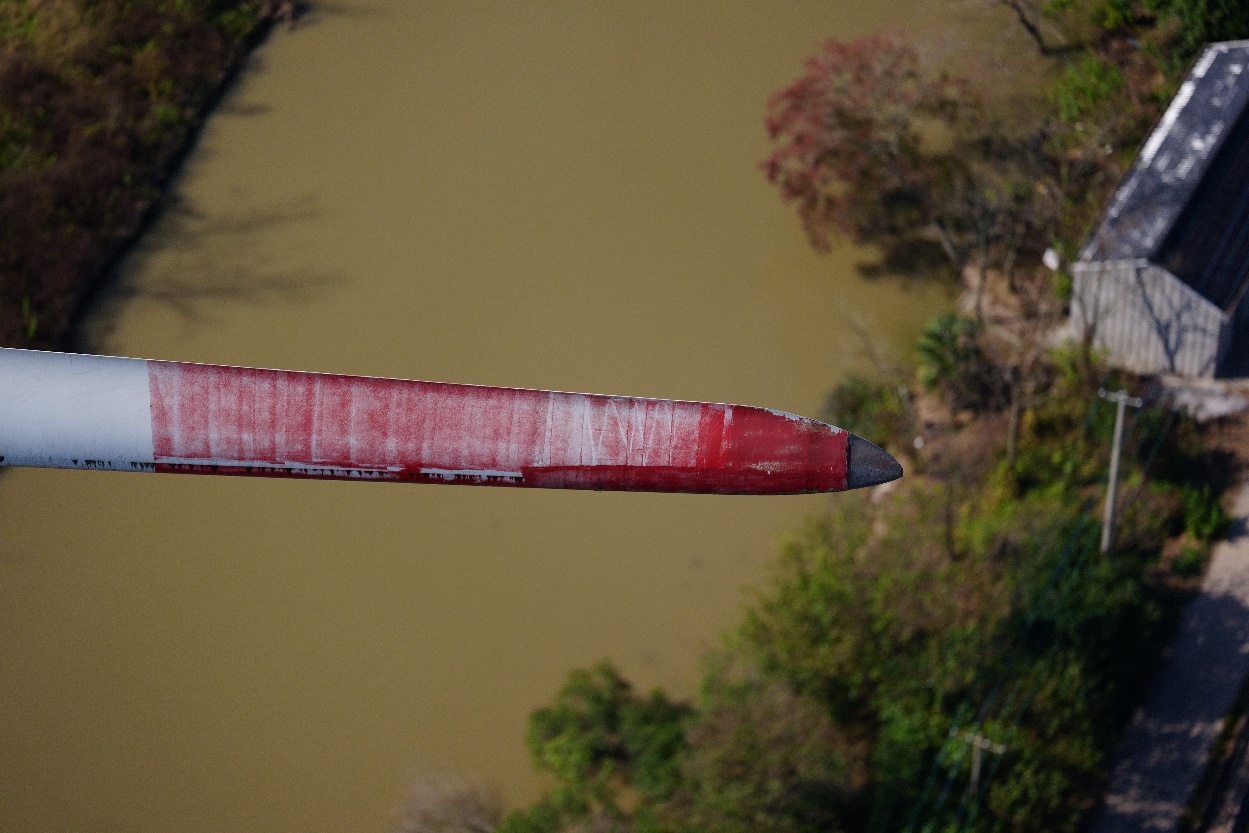
High camera resolution alone does not guarantee a clear result. The complete imaging system must control motion blur, focus, vibration, optics, and working distance at the intended rotor speed.
Ask to see representative original images—not resized marketing samples—to confirm that relevant surface detail remains visible.
Maintain safe separation and complete coverage
The system must follow blade rotation and yaw changes while maintaining the approved capture distance. It also needs enough distinct viewing paths to document the pressure side, suction side, leading edge, and trailing edge—not only the easiest angles.
Turn many images into one traceable record
Dense capture creates overlapping and sometimes repeated views. The platform must organize them by turbine, blade, surface, and location, show weak or missed areas, and retain the original evidence for review and comparison over time.
In-service inspection capabilities differ widely
“No shutdown” describes the turbine state, not the inspection quality. In-service approaches are easier to compare when they are grouped by where the evidence is captured and what kind of maintenance decision it can support.
| Approach | How it works | Advantages | Trade-offs |
|---|---|---|---|
| Airborne visual inspection | A drone tracks the rotating blades and captures overlapping images from multiple flight paths. | Flexible across turbine types; supports closer viewing distances, multiple angles, and detailed surface records. | Requires dynamic flight control, suitable weather and airspace, and strong coverage quality assurance. |
| Ground-based long-range imaging | High-resolution cameras photograph each blade repeatedly from positions around the turbine. | Keeps inspection equipment away from the rotor and can support rapid visual screening. | Longer working distance can reduce visible detail; line of sight and viewing angles may limit edge or surface coverage. |
| Turbine-mounted condition monitoring | Permanently installed vibration, strain, acoustic, or other sensors monitor blade behavior during operation. | Provides continuous trends and early anomaly alerts without mobilizing an inspection team. | Usually provides indirect condition signals rather than visual defect evidence and requires installation, calibration, and a follow-up inspection path. |
The approaches are complementary. The right choice depends on whether the campaign needs visual surface evidence, continuous trend monitoring, rapid fleet screening, or a combination of these outcomes.
How Clobotics approaches in-service inspection
Clobotics designed the in-service IBIS workflow around four outcomes: more usable images, sharper surface detail, complete viewing geometry, and a record that remains useful after the aircraft lands.
Four flight paths for four blade surfaces
IBIS uses four dynamic flight paths to observe the pressure side, suction side, leading edge, and trailing edge. The aircraft captures each blade repeatedly as it rotates, building overlapping image sequences rather than relying on a small number of isolated frames.
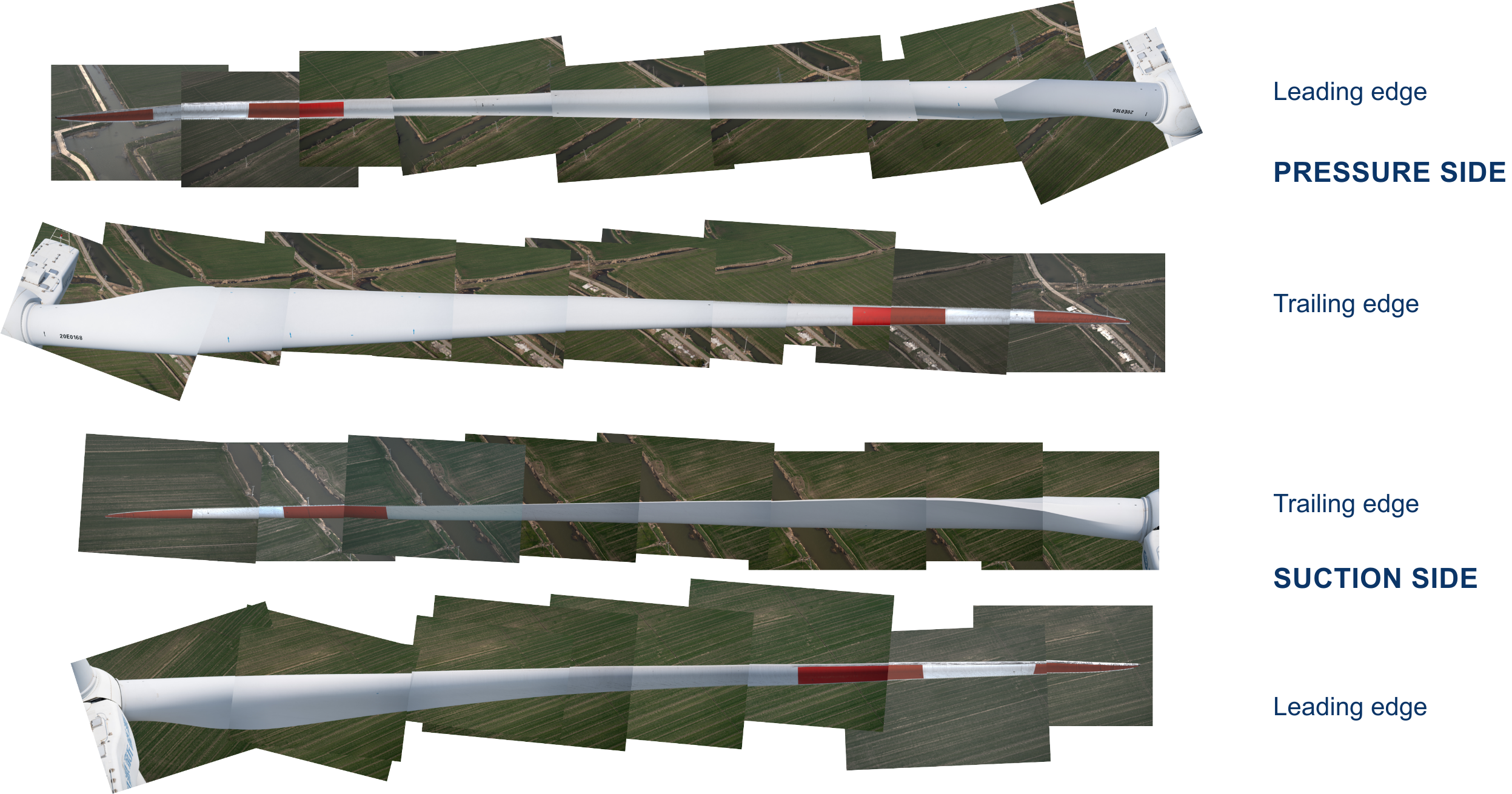
The purpose of the additional paths is not to maximize the image count for its own sake. More viewing angles reduce the chance that blade edges, curved transitions, or one face remain weakly documented. Overlap also gives the platform more evidence for stitching, quality checks, and finding location.
Optical clarity under blade motion
The current IBIS in-service specification targets approximately 1 mm × 1 mm optical resolution under its defined capture conditions. High-speed imaging, suitable optics, and controlled flight distance work together to limit motion blur and preserve visible surface detail.
The system is designed for operating conditions that can include blade-tip speeds of approximately 100 m/s, a capture distance of about 30 m, and wind speeds up to 12 m/s, subject to turbine configuration, site safety review, local flight rules, lighting, and campaign requirements.
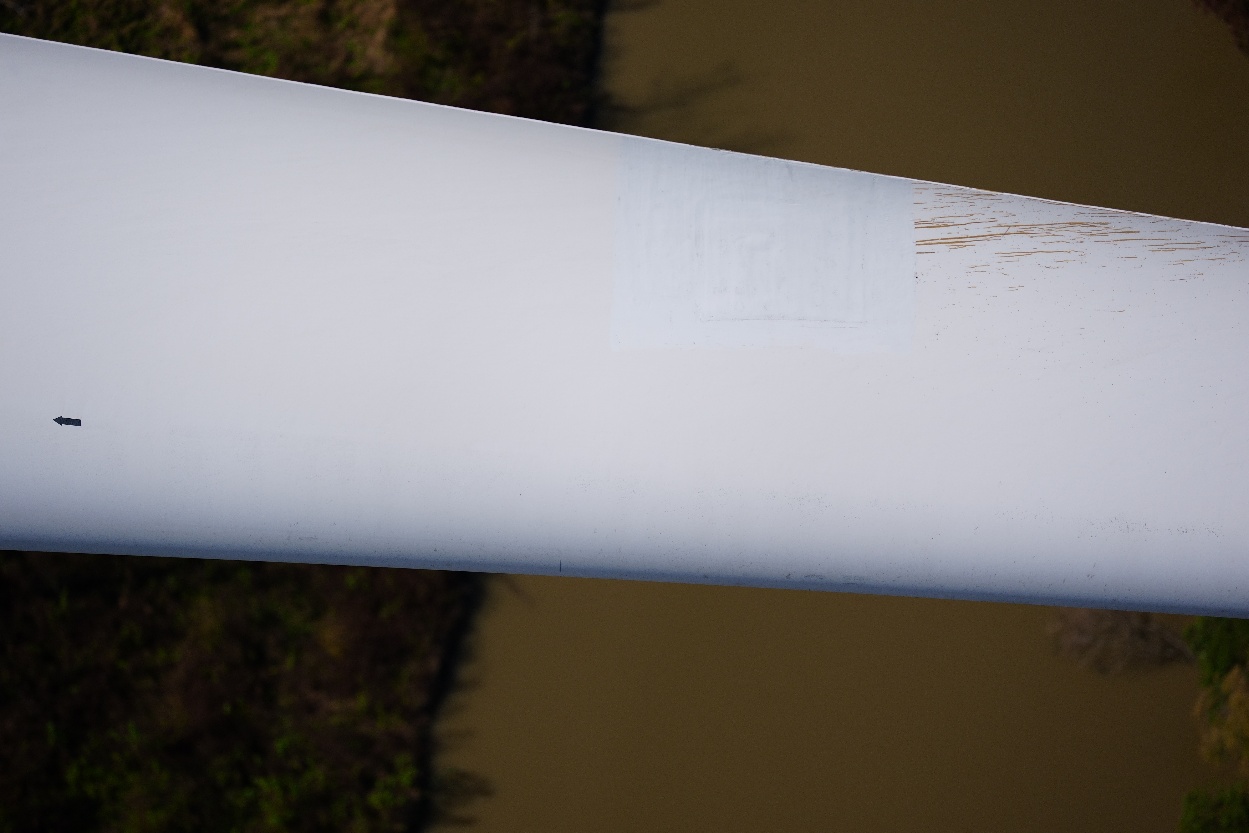
Those numbers should still be tested against the actual project. Operators should request original image samples and confirm the smallest visible condition at the planned working distance and rotor speed.
Dynamic tracking and safety control
Vision and multiple sensors help the aircraft follow blade rotation and adapt to yaw changes. The flight logic maintains the approved separation while synchronizing capture with the moving blade.
This is a different control problem from autonomous inspection of a stopped turbine. Site layout, surrounding turbines, wind, rotor speed, lighting, airspace, and emergency procedures all remain part of campaign approval. “In service” does not mean “without operating limits.”
From dense imagery to a blade record
The field output must become a dataset that a reviewer can navigate. IBIS organizes the captured images by turbine, blade, surface, and location, then connects the evidence to IRIS Wind Intelligence for quality review, defect assessment, and reporting.
Under applicable conditions, the in-service workflow can improve field inspection efficiency by up to 40% compared with the stopped workflow and can be operated by one trained person. Actual throughput depends on turbine type, blade length, site spacing, weather, flight approvals, and the required quality-assurance scope.
Stopped and in-service inspection are complementary
In-service inspection should not be presented as a universal replacement for stopped inspection. The two methods manage different tradeoffs.
| Evaluation dimension | Stopped autonomous inspection | In-service inspection |
|---|---|---|
| Turbine state | Rotor stopped and blades positioned | Rotor continues operating |
| Campaign scheduling | Depends on shutdown and restart coordination | Expands the available inspection window |
| Image geometry | Highly controlled close-range capture | Dynamic capture must compensate for rotation and yaw |
| Best use | Detailed assessment, measurement, repair scoping, insurance or engineering evidence | Fleet screening, early detection, higher-frequency monitoring, and prioritization |
| Escalation path | Can directly support detailed review when evidence quality is sufficient | Abnormal findings may trigger stopped IBIS, KIWI internal inspection, LPS testing, or engineering review |
A practical program can use in-service inspection to screen more turbines more often. Findings that appear urgent, uncertain, or difficult to characterize can then move into a stopped close-range inspection or another method suited to the suspected damage mechanism.
This layered approach protects the main benefit of in-service inspection, broader and more frequent visibility, without asking one method to answer every engineering question.
What operators should ask before selecting a provider
Use an evidence-based evaluation rather than comparing one headline specification.
- Show original images. Request uncompressed examples from operating turbines at representative rotor speeds and working distances.
- Demonstrate four-surface coverage. Confirm how the pressure side, suction side, leading edge, and trailing edge are captured and how missed areas are reported.
- Explain the flight paths. Ask how many paths are used, how the system adapts to yaw and rotor-speed changes, and how safe separation is maintained.
- Define effective resolution. Confirm the smallest visible surface condition under field conditions, not only the camera sensor specification.
- Review the complete blade record. Check image quantity, overlap, blade identity, location mapping, stitching, quality assurance, annotations, and report export.
- Clarify operating limits. Review wind, lighting, turbine model, blade length, site layout, airspace, and local regulatory requirements.
- Agree on the next action. Define which findings can be monitored and which should trigger a stopped inspection, internal inspection, LPS test, repair assessment, or immediate escalation.
Which approach fits the campaign?
Choose stopped inspection when the immediate goal is controlled, close-range evidence for a known issue, precise measurement, or repair planning.
Choose in-service inspection when shutdown access limits inspection frequency, the fleet needs faster screening, or the operator wants earlier visibility into developing surface conditions without interrupting production for every routine check.
Many fleets will use both. The strongest program selects the turbine state and capture method according to the decision required, then keeps every finding connected to the same blade history.
Explore IBIS autonomous blade inspection or contact the Clobotics Wind team to assess turbine model, blade length, operating conditions, fleet size, and reporting requirements for an in-service campaign.