A computer vision demonstration can be completed in seconds: point a camera at an object, run a model, and watch a label appear on the screen. In an industrial setting, recognition is only one step in a much longer process. The image must be captured consistently, the result must reflect the condition of the asset, and the finding must reach the people responsible for taking action.
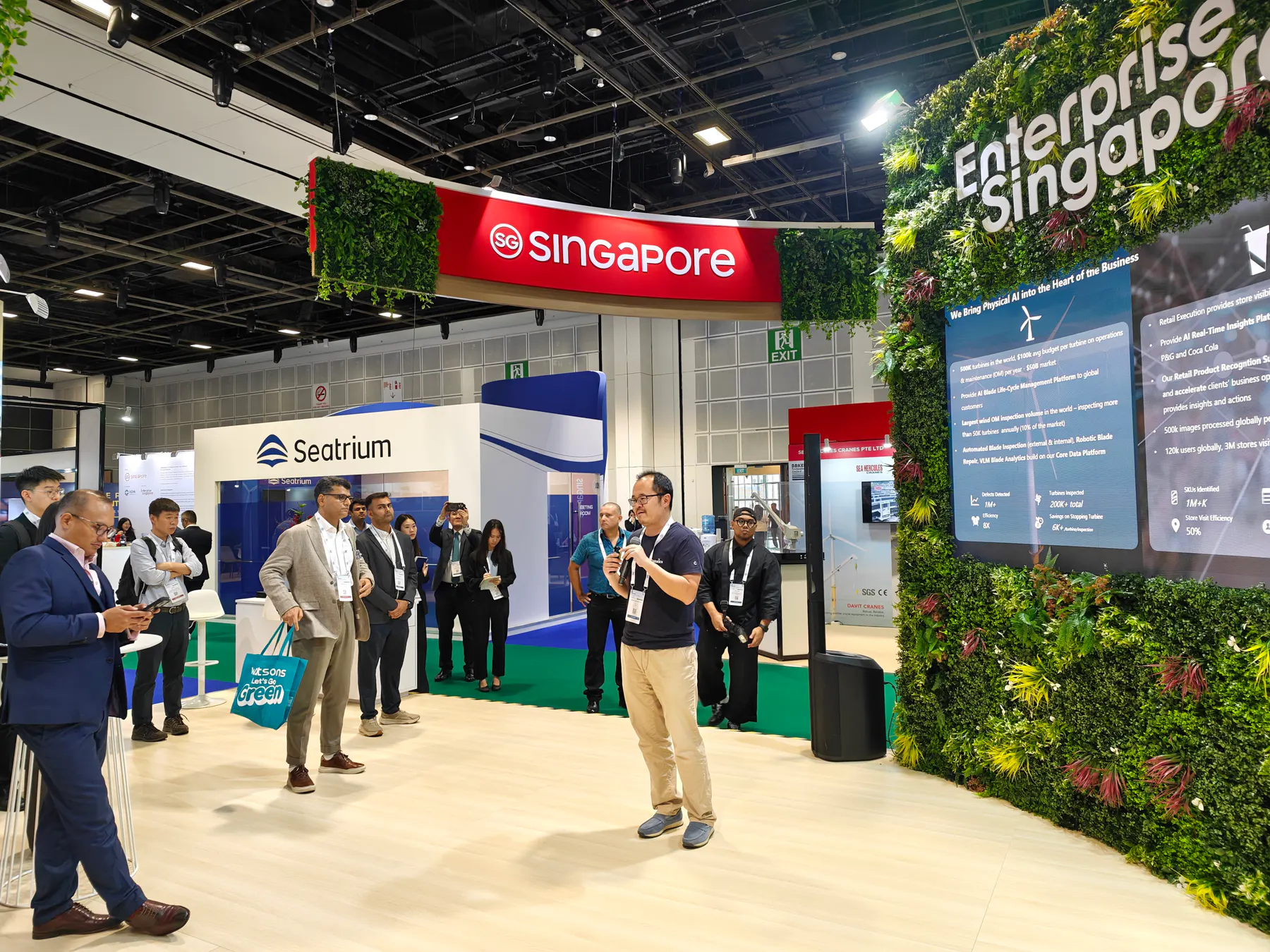
That gap between a successful demonstration and a dependable operating system was the central theme of a 2019 GeekPark keynote delivered by Yan Ke, then Chief Technology Officer of Clobotics. The technology has advanced since then, but the argument remains timely: industrial customers do not simply need algorithms that can see. They need systems that turn the physical world into reliable data and reliable data into better decisions.
The original keynote is available on YouTube.
Computer vision begins by digitizing the physical world
In the keynote, Yan described the shift from working with digital text and knowledge systems to working with evidence from physical environments. Text on the web is already digital and can be crawled, parsed, and organized. A wind turbine blade, transmission tower, or construction site cannot be analyzed until its condition has first been captured in a form that software can understand.
This is where computer vision becomes foundational. It creates a digital representation of physical conditions that would otherwise remain scattered across manual notes, isolated photographs, and individual experience. Once the evidence is consistent, machine learning can identify patterns, compare conditions, and support decisions at a scale no individual inspector could match.
Capturing an image, however, is not the same as creating usable industrial data. The source, angle, resolution, coverage, and context of that image all affect what the model can learn from it. The quality of industrial AI is determined before recognition begins.
Why a drone and an algorithm were not enough
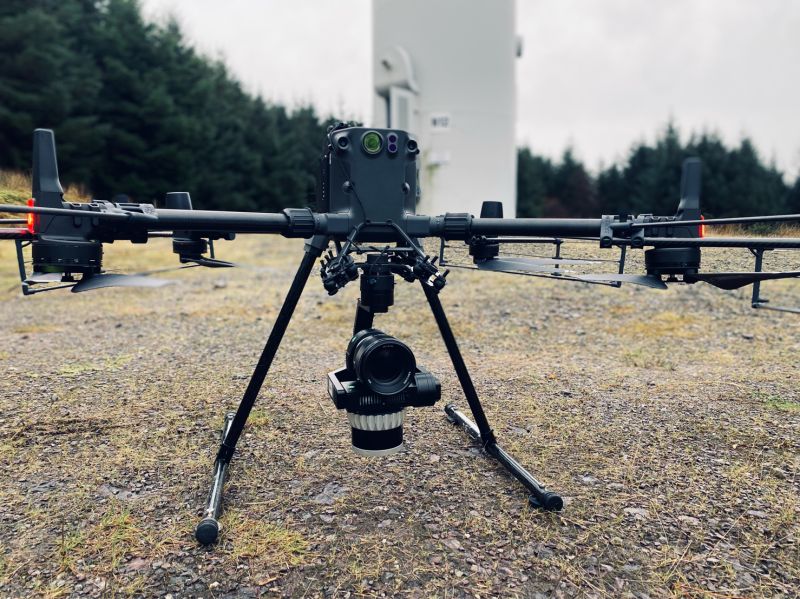
When commercial drones began to gain momentum, the opportunity appeared straightforward. A drone could reach places that were expensive or dangerous for people, while a computer vision model could analyze the resulting images. Hardware companies focused on longer flight times and better cameras; software companies focused on analytics.
Early customer experience exposed the missing link. A manually operated drone might be capable of taking excellent photographs, yet the quality of a wind turbine inspection still depended heavily on the pilot. If the aircraft flew too far from the asset, missed part of the surface, or captured inconsistent angles, the analysis became less reliable.
Customers did not merely need access to a drone. They needed a repeatable way to digitize their assets. That realization led Clobotics toward an end-to-end approach: purpose-built hardware, autonomous control, computer vision, cloud-based analysis, and an operational workflow designed around the customer’s actual task.
The product was no longer a single model or device. It was the complete path from data capture to business action:
Capture -> Understand -> Prioritize -> Act
Wind turbine blades made the challenge visible
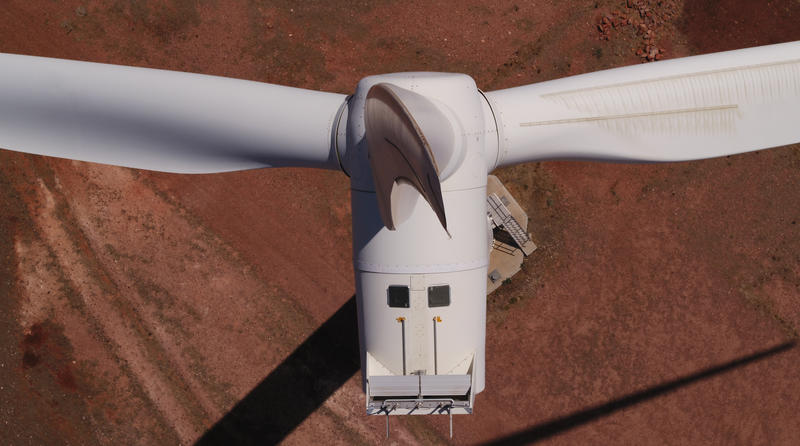
Wind turbine blade inspection made the value of this approach particularly clear. Traditional inspections could require technicians to work at height, use ropes or platforms, and spend hours examining a single turbine. Beyond safety and cost, the process also made it difficult to collect consistent evidence across an entire fleet.
Autonomous flight changes the workflow. Instead of relying on a pilot to manually position the camera for every image, an inspection drone can maintain a controlled path around the blades, capture complete high-resolution coverage, and apply the same inspection logic from one turbine to the next. Computer vision can then locate and classify defects, while a digital platform preserves their position, severity, and inspection history.
The business value comes from finding small problems while they are still manageable. Leading-edge erosion, cracks, lightning damage, and coating defects may begin as limited surface issues but become more costly if they are not detected and addressed. Faster inspection gives operators more opportunities to intervene before minor damage develops into major repair or unplanned downtime.
What an industrial computer vision system must deliver
1. Repeatable evidence
Industrial AI depends on consistent input. Autonomous capture paths, guided procedures, and quality checks help ensure that each inspection covers the right area at the required resolution. Repeatability also makes it possible to compare an asset with its own history.
2. Domain-aware interpretation
A visual mark has little operational value without context. The system must understand where a defect is located, what category it belongs to, how severe it may be, and why it matters to maintenance planning. Domain expertise turns recognition into meaning.
3. A connection to action
An inspection is not complete when a defect is identified. Teams need prioritized findings, clear reports, traceable evidence, and a workflow that connects inspection results to maintenance and repair. The distance between detection and resolution is a better measure of value than model accuracy alone.
4. Continuous learning in the real world
Industrial environments do not remain fixed. Assets age, equipment changes, and new edge cases appear. A scalable system must learn from completed inspections while maintaining consistent standards across sites, operators, and markets.
From a 2019 idea to a blade lifecycle platform
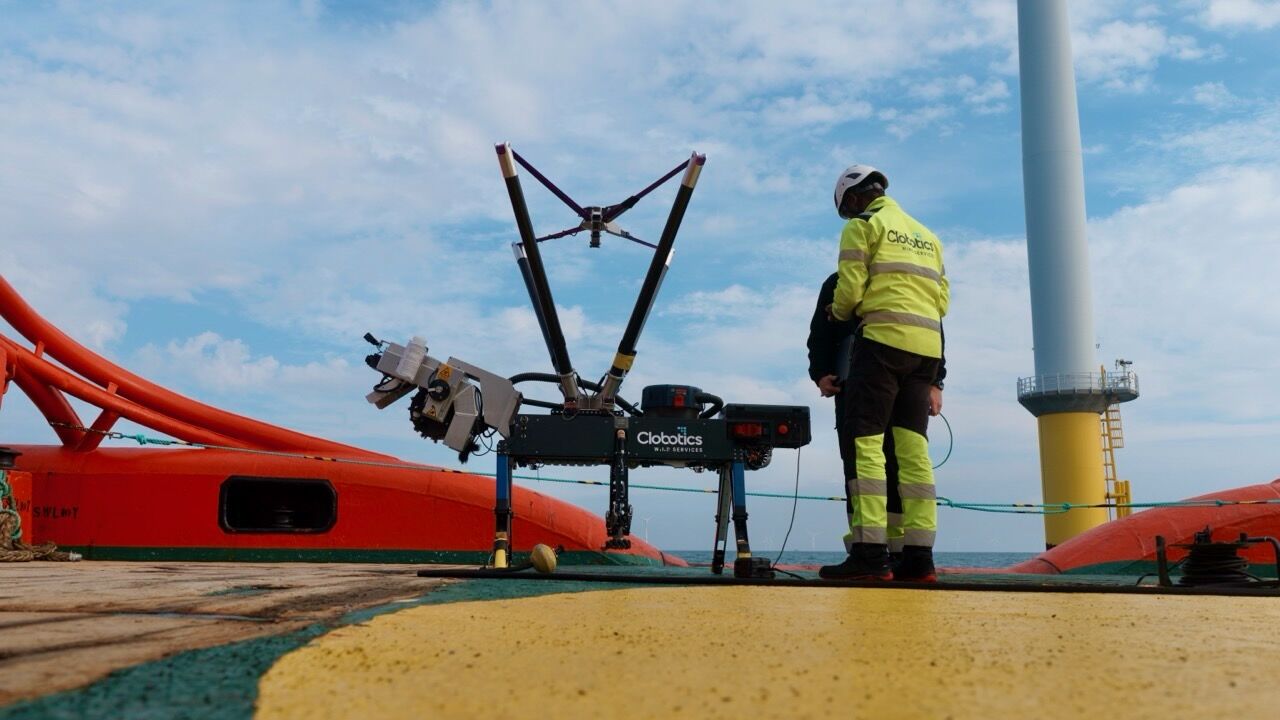
The keynote focused on autonomous external blade inspection, but the same end-to-end principle has continued to shape Clobotics’ development. Today, the company’s wind platform connects external inspection with internal blade inspection, lightning protection testing, AI-assisted analysis, digital reporting, and repair services.
According to current Clobotics wind solutions information, the platform has supported more than 180,000 blade inspections. Its autonomous external inspection system can complete a turbine in approximately 15 minutes and deliver 1 mm defect accuracy, while the IRIS platform organizes findings into a persistent blade record for analysis and maintenance planning.
The scope has also expanded beyond the blade exterior. IBIS captures external surfaces, KIWI documents internal structural conditions, and Hummingbird supports lightning protection system testing. Inspection data is brought together in IRIS, while robotic and field-service capabilities help extend the workflow toward repair. What began as a way to capture better images has evolved into a connected system for managing blade condition across the asset lifecycle.
The real measure of industrial computer vision
The strongest idea in the 2019 keynote is not tied to a particular generation of drones or machine learning models. It is the recognition that industrial technology succeeds only when it fits the reality of the work.
A model that performs well on a prepared dataset may still fail to create value if the evidence is inconsistent, the result lacks context, or the workflow ends with a dashboard. Industrial computer vision must therefore be evaluated as an operating system: how reliably it captures the physical world, how clearly it explains what matters, and how quickly it helps a team respond.
The goal is not simply to make machines see. It is to make complex physical operations visible, understandable, and manageable, then turn each observation into a better decision.
Editorial source: Yan Ke’s 2019 GeekPark keynote, with current Clobotics wind platform information added for context.