A wind turbine blade and a retail shelf appear to have little in common. One stands hundreds of feet above the ground, exposed to changing weather. The other changes from store to store as products sell, prices move, packaging evolves, and competitors adjust their displays.
Yet for the businesses responsible for them, the underlying challenge is similar: important decisions depend on knowing what is happening in the physical world, consistently and at scale.
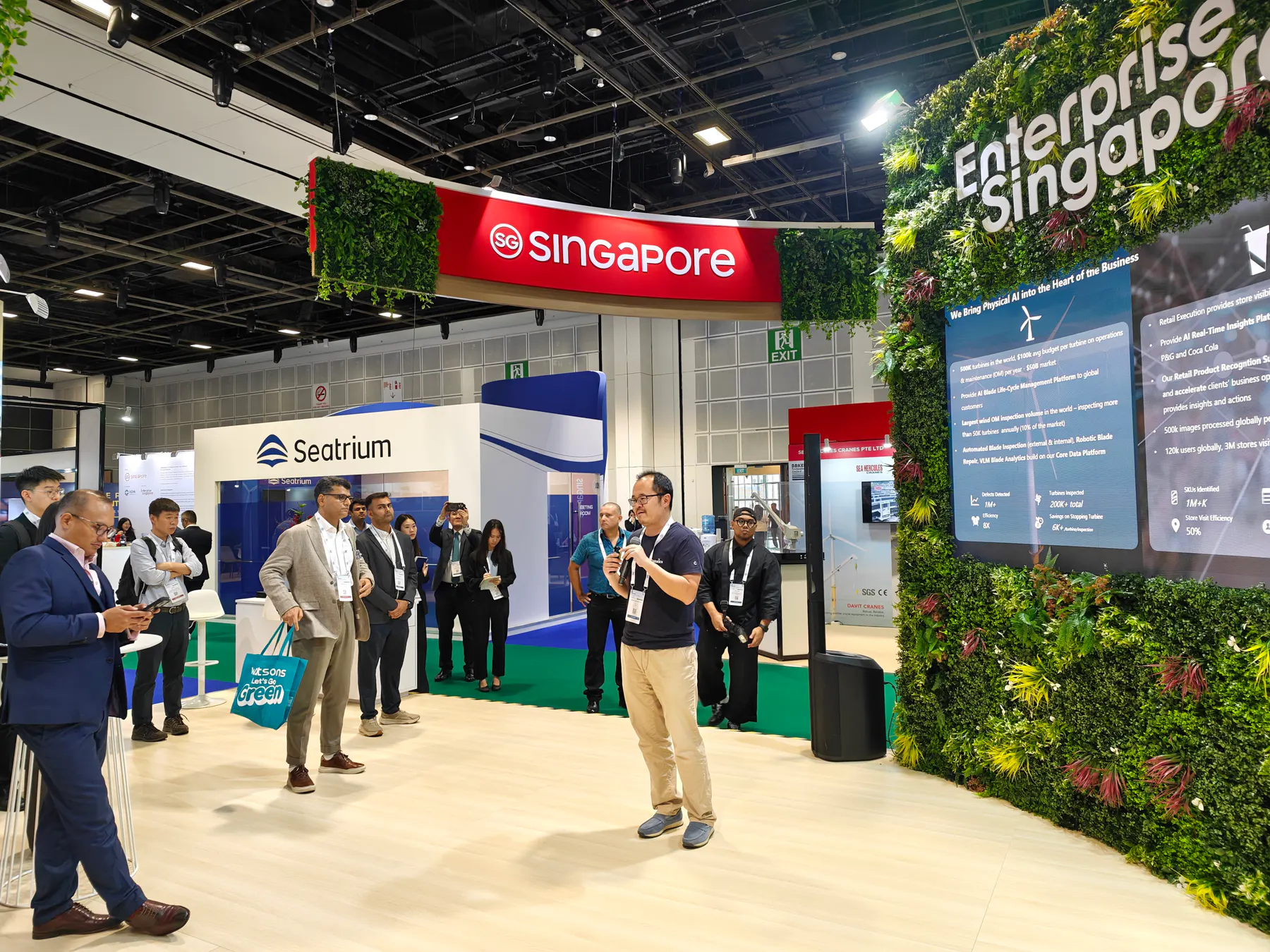
In a 2023 TechNode interview, Clobotics founder and CEO George Yan described how the company applies a common foundation of computer vision, robotics, cloud technology, and analytics to both wind energy and retail. The interview was recorded at an earlier stage of the company’s development, but its central idea remains relevant: AI creates value when it connects observation to action.
One foundation, two physical worlds
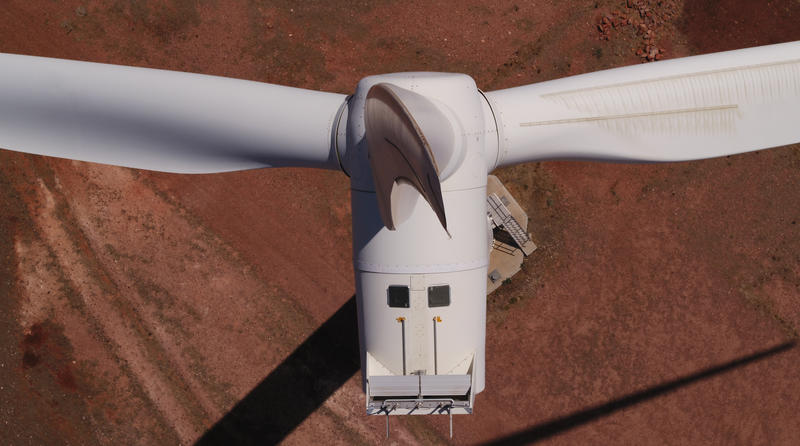
In wind energy, blade inspection has traditionally involved technicians working at height or long, labor-intensive inspection procedures. Operators need more than speed. They need repeatable evidence, consistent defect assessment, and a reliable record of how blade conditions change over time.
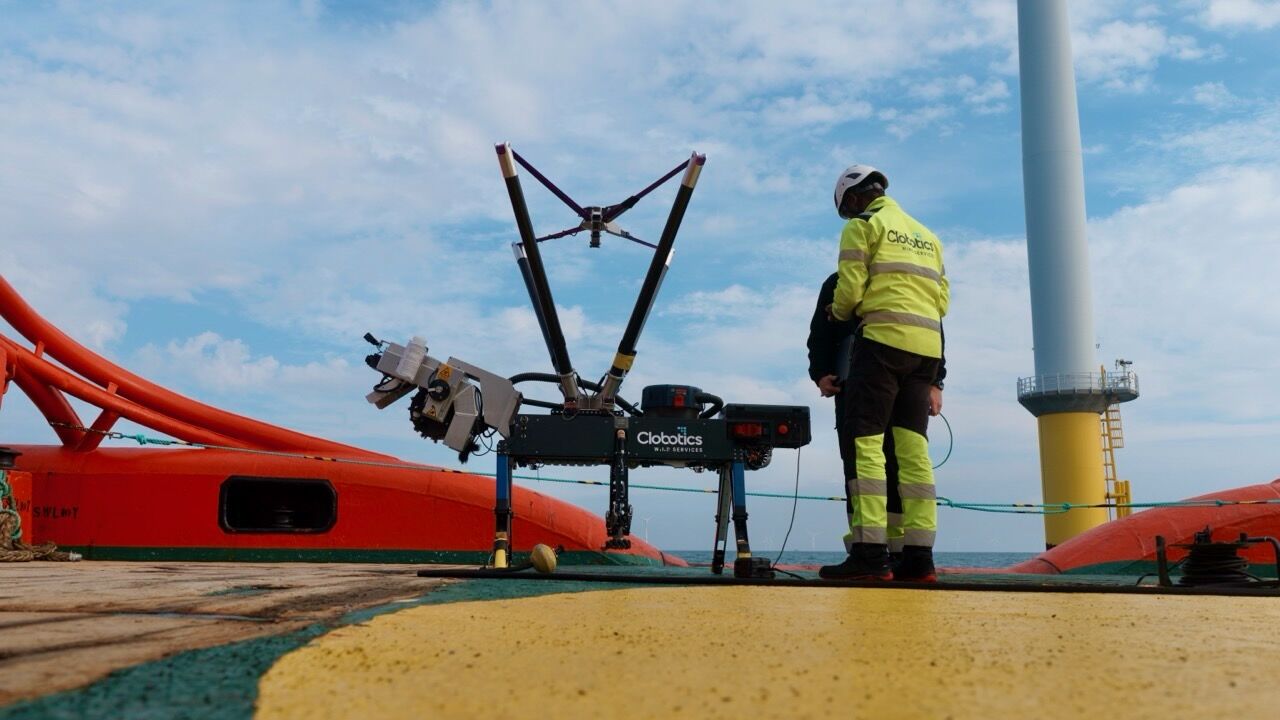
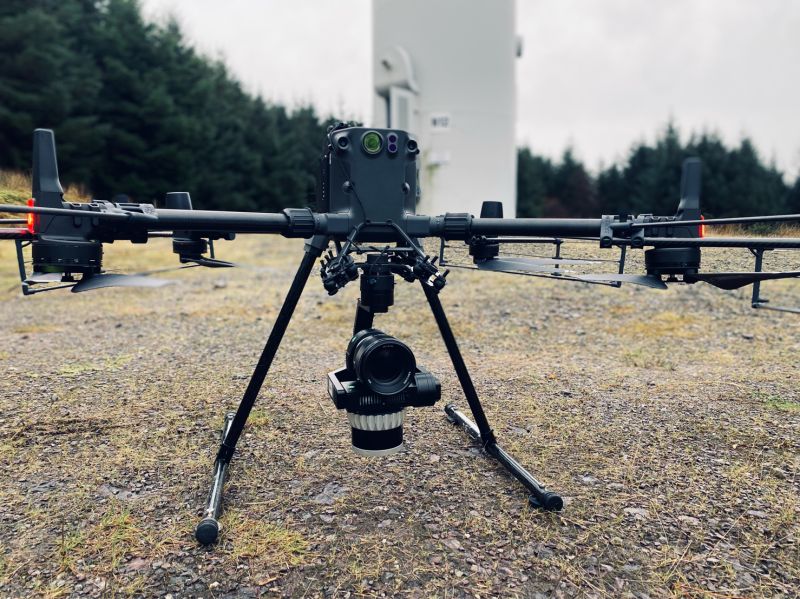
Clobotics uses autonomous drones and purpose-built robotic systems for wind turbine drone inspection, capturing inspection-grade data across blade surfaces. Computer vision helps identify and classify defects, while the IRIS platform organizes findings and supports wind turbine blade maintenance planning. What begins as an image becomes part of a blade’s lifecycle record.
Retail presents a different kind of complexity. A field representative may need to understand hundreds of SKUs, changing packages, price tags, promotional materials, shelf positions, and competitor activity during a single store visit. Manual counting and reporting take time, and the result may already be outdated when it reaches a manager.
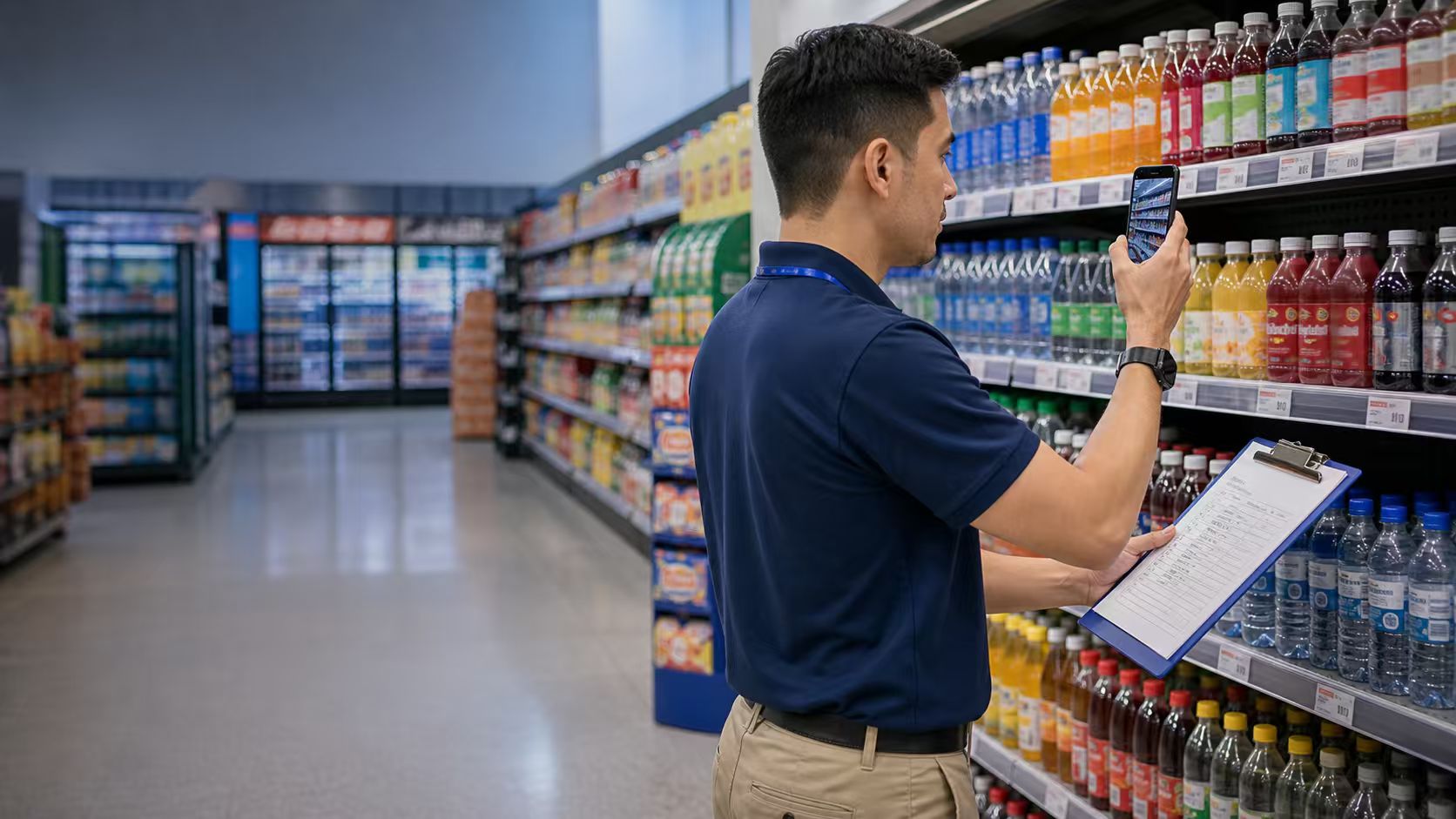
Store teams can capture shelves, coolers, and displays using photos or structured video. Clobotics’ retail execution platform uses computer vision to identify products and convert visual evidence into information such as on-shelf availability, facings, share of shelf, price and promotion compliance, planogram execution, and competitor presence. The goal is not simply to document the store. It is to help teams decide what to fix while the opportunity still exists.
Physical AI is an operational system
Computer vision is essential in both cases, but recognition alone is not the product. A model may detect a crack or identify a beverage package; the business still needs to know whether the evidence is trustworthy, what the result means, and what should happen next.
Capture
The workflow begins with consistent evidence. In wind, autonomous flight paths and high-resolution imaging make inspections repeatable. In retail, guided photo and video capture helps teams cover the right shelf, display, or cooler. If the evidence is incomplete or inconsistent, everything downstream becomes less reliable.
Understand
AI then interprets the evidence in its business context. A mark on a blade must be understood as a defect type, location, and severity. A product on a shelf must be connected to the correct SKU, price, promotion, and merchandising rule. Domain knowledge turns visual recognition into operational meaning.
Act
The final step is closing the loop. Wind teams need prioritized findings that inform inspection, maintenance, and repair. Retail teams need clear actions such as replenishing a product, correcting a price, replacing promotional material, or revisiting a store.
Why domain expertise still matters
The same computer vision foundation can support more than one industry, but the last mile cannot be generic. A wind model has to understand blade structures, surface conditions, defect categories, and maintenance priorities. A retail model has to recognize local packaging, price formats, store layouts, and execution rules that vary across brands, channels, and markets.
Real-world data and industry specialists remain central to the system. AI can identify patterns at a scale no individual team could match, while domain expertise determines which patterns matter. Deployment also has to account for changing light, weather, device quality, connectivity, new products, new defects, and exceptions that were never present in a training set.
Customer problems shape the roadmap
In wind, an inspection answers the first question: what condition is the blade in? Operators then need to track the finding, plan maintenance, and complete the repair. That progression has helped Clobotics develop a connected blade lifecycle workflow combining external and internal inspection, lightning protection testing, analysis, reporting, field services, and robotic repair.
Retail follows the same pattern. Recognizing products is the starting point, not the outcome. Business teams also need retail execution scores, on-shelf availability trends, priorities, integration with existing systems, and a clear record of whether an issue was resolved.
Scaling means consistency, not repetition
A pilot can show that an algorithm works in one location. Enterprise scale asks a harder question: can the workflow remain reliable across thousands of assets or stores, different markets, changing conditions, and multiple operating teams?
Clobotics currently operates across more than 40 countries. Current company data reflects more than 180,000 wind blade inspections and over one billion retail shelf images processed. These figures matter because each real-world deployment adds experience across assets, stores, markets, and edge cases.
Wind turbines and retail stores will always require different tools, models, and expertise. What connects them is the need to make complex physical operations visible and manageable. Physical AI becomes valuable when it understands what matters, preserves evidence that people trust, and helps the business decide what to do next.
Editorial basis: TechNode’s interview with George Yan, updated with current information from Clobotics’ company, wind energy, and retail pages.