In 2019, Microsoft Asia President Ralph Haupter shared four lessons from the Milken Institute Japan Symposium. One of them was simple: AI was not a distant possibility. It was already changing how physical industries worked. To illustrate that point, he highlighted Clobotics.
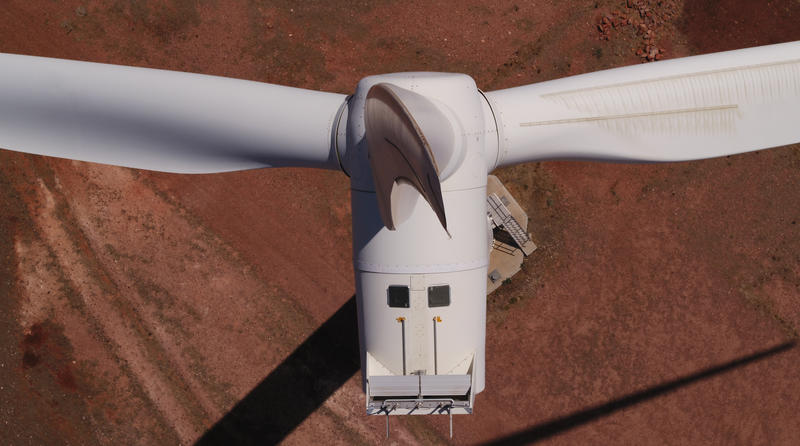
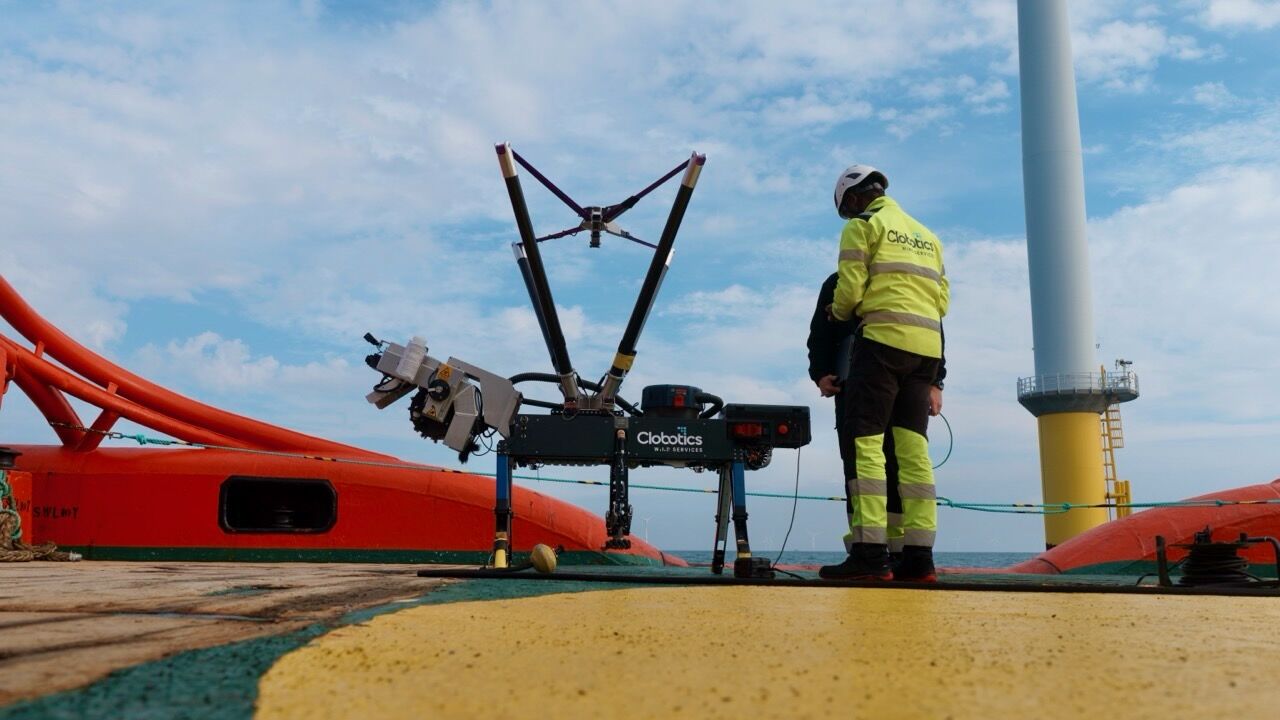
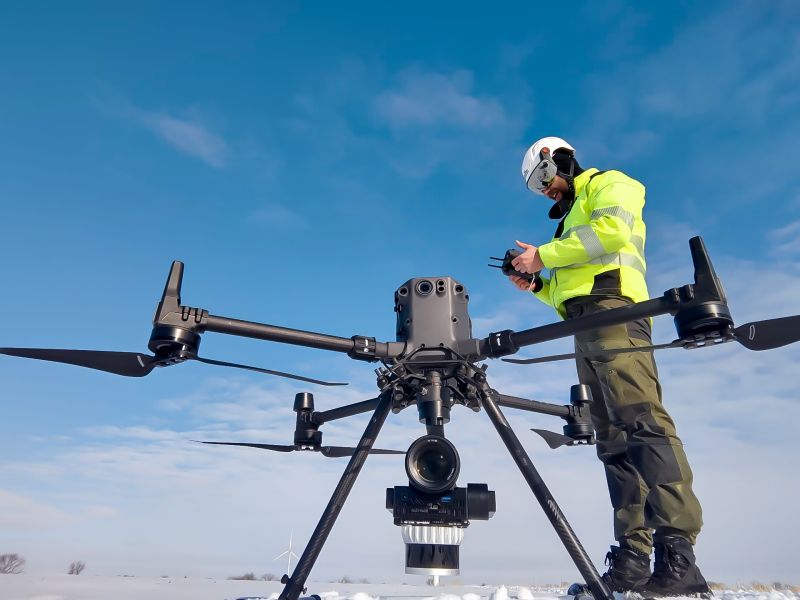
The example came from wind energy, where inspecting turbine blades had traditionally required technicians to work at height in difficult conditions. A five-person team could spend up to six hours inspecting a single turbine. Clobotics introduced an AI-powered autonomous drone workflow that allowed one operator to complete the inspection in approximately 25 minutes from the safety of the ground.
The bigger change was not the drone
It is easy to see this as a story about replacing a manual inspection with faster equipment. The deeper change was how physical conditions became usable operational data.
The autonomous system first had to understand the turbine’s position and blade geometry. It then captured consistent visual evidence through a wind turbine inspection drone workflow, used computer vision to identify small structural defects, and created a digital record that operators could review and act on.
The result was a more repeatable inspection process built around three capabilities:
- Capture physical conditions consistently.
- Interpret visual evidence with domain-specific AI.
- Turn findings into maintenance decisions.
Physical AI starts with a real operating problem
The wind inspection example offers an important lesson for enterprise AI: technology creates value only when it improves an actual workflow.
Manual blade inspection was slow, difficult to scale, and potentially dangerous. Automating image capture alone would not have been enough. The system also needed to operate reliably around large structures in windy conditions, collect inspection-grade imagery, and identify defects that required attention.
Today, that principle extends across a more connected blade lifecycle workflow. Autonomous inspection, AI-driven analysis, and digital blade records help operators identify defects, prioritize maintenance, and move more efficiently from findings to repair.
From turbine blades to retail shelves
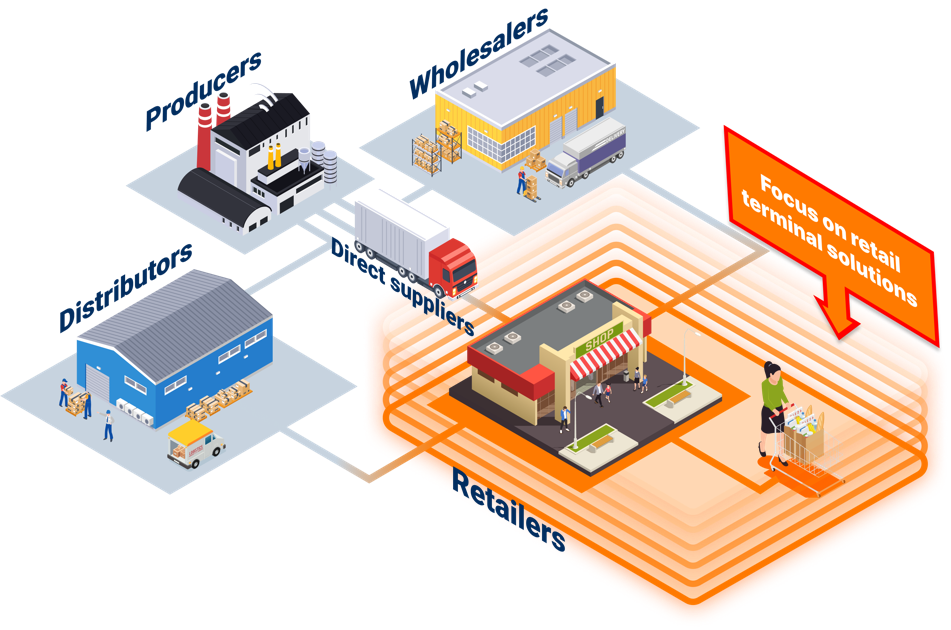
The same physical AI foundation also applies to retail. The physical environments could hardly be more different, but the underlying business problem is similar: important decisions depend on understanding what is happening across a large number of physical locations.
In retail, field teams can capture shelf conditions with smartphones. Computer vision then identifies products and converts store images into information such as on-shelf availability, share of shelf, retail execution compliance, and out-of-stock conditions.
What Microsoft saw early
The Clobotics example highlighted four ideas that remain central to enterprise AI:
- Domain knowledge matters. Wind turbine inspections require an understanding of blade structures, defect types, and maintenance priorities. Retail execution requires knowledge of SKUs, packaging, prices, planograms, promotional materials, and local store conditions.
- Evidence quality comes before analysis. AI results are only as reliable as the evidence behind them. Images must be captured at the correct location, with sufficient coverage and quality, before a model can produce a useful result.
- Automation should support action. Finding a defect or identifying an out-of-stock product is only the beginning. The information must reach the right team, connect with existing workflows, and lead to a clear next step.
- Physical AI must scale beyond individual sites. Enterprise deployment requires the same process to remain reliable across different assets, devices, markets, and operating conditions.
From early use case to global physical AI platform
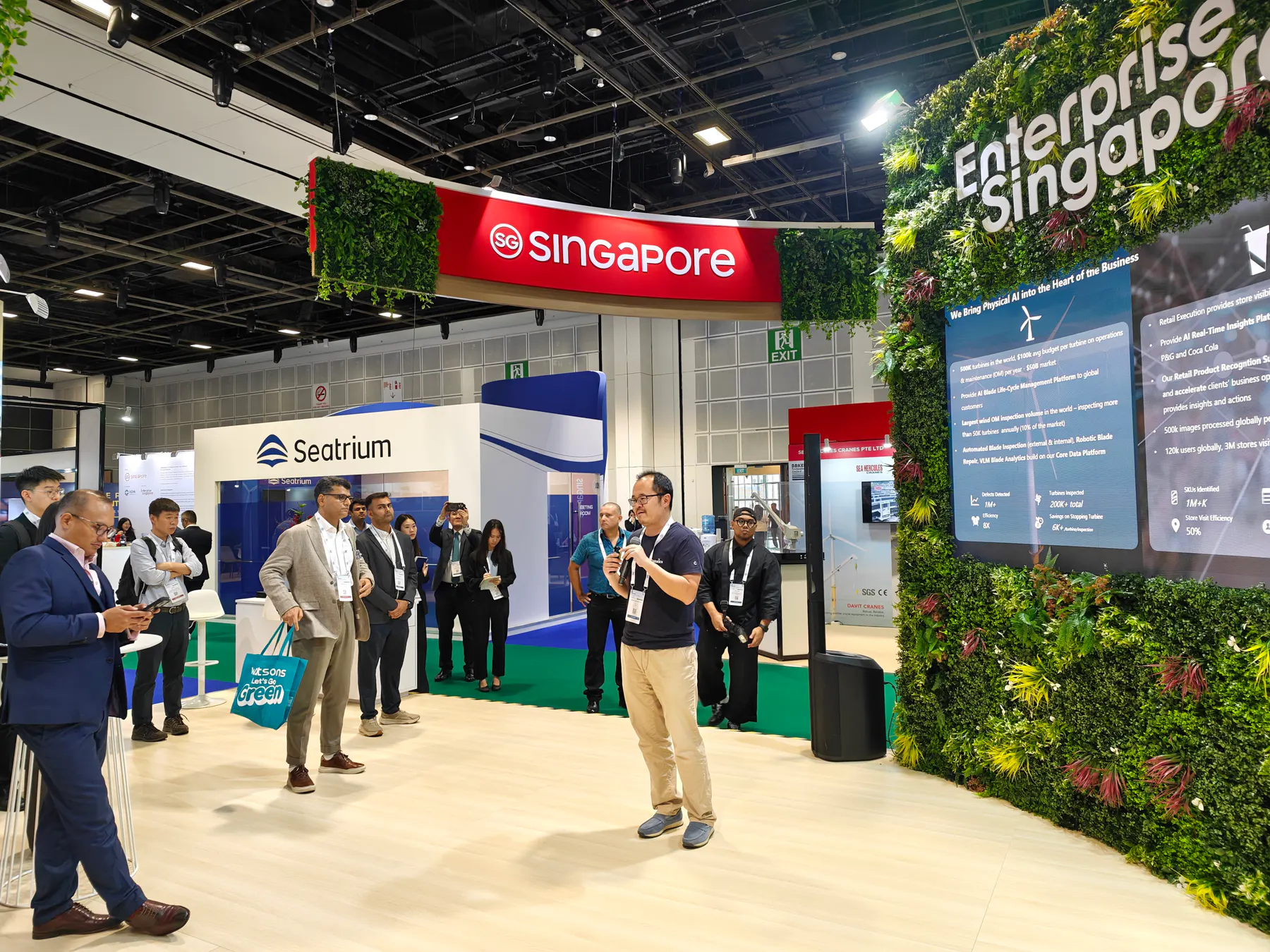
Since Microsoft published the story, Clobotics has continued to develop its physical AI capabilities across wind energy and retail. Today, Clobotics combines computer vision, robotics, and field intelligence to help enterprises see, understand, and act on physical operations across more than 40 countries.
Current company data reflects more than 180,000 wind inspections and over one billion retail shelf images processed. The technology has evolved, but the underlying objective remains consistent: turn physical-world observations into trusted operational intelligence.
Microsoft used Clobotics to make the case that AI was already here. Years later, the more important question is whether the technology can operate reliably in real conditions, produce evidence that teams trust, and help enterprises act faster.
Read the original Microsoft Asia feature.
Editorial source: Microsoft Stories Asia, published April 30, 2019. Current company metrics are provided for context and do not describe the original 2019 deployment.