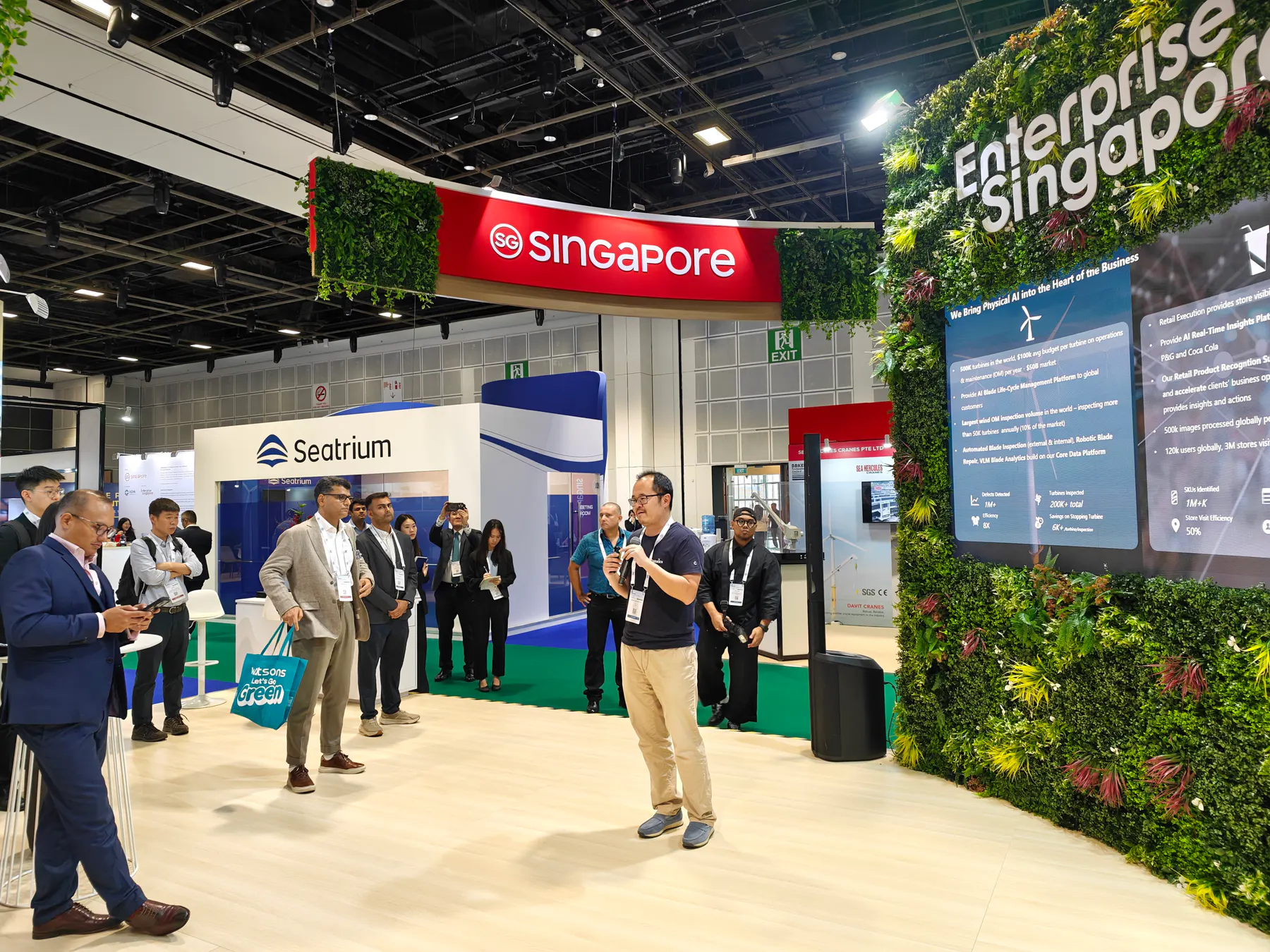
Microsoft Asia featured Clobotics in “Drones with brains and shelves with eyes — digitalizing the physical world,” a 2018 story about applying computer vision and artificial intelligence to operations that are difficult to observe, measure, and manage manually.
The feature connects two industries that appear very different: wind energy and retail. In both, teams need reliable evidence from physical environments before they can make better decisions. Clobotics’ approach was to combine purpose-built data collection, computer vision, cloud processing, and operational analytics.
Autonomous wind turbine blade inspection
Microsoft described the limitations of conventional blade inspection at the time. A rope-access inspection could require a five-person crew and at least six hours per turbine, while exposing technicians to difficult working conditions at height.
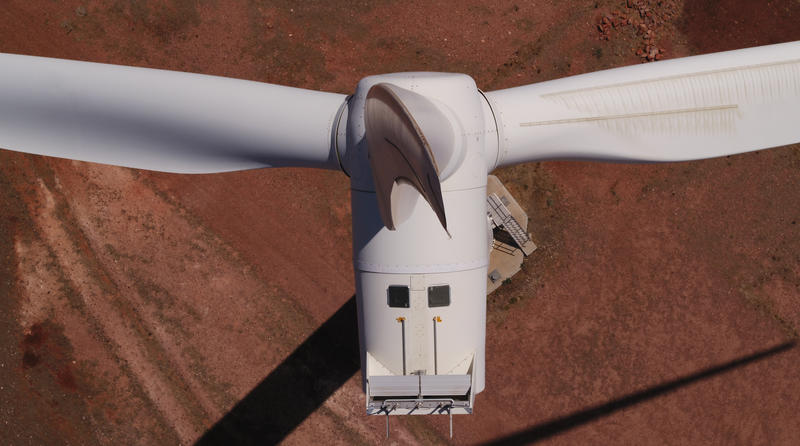
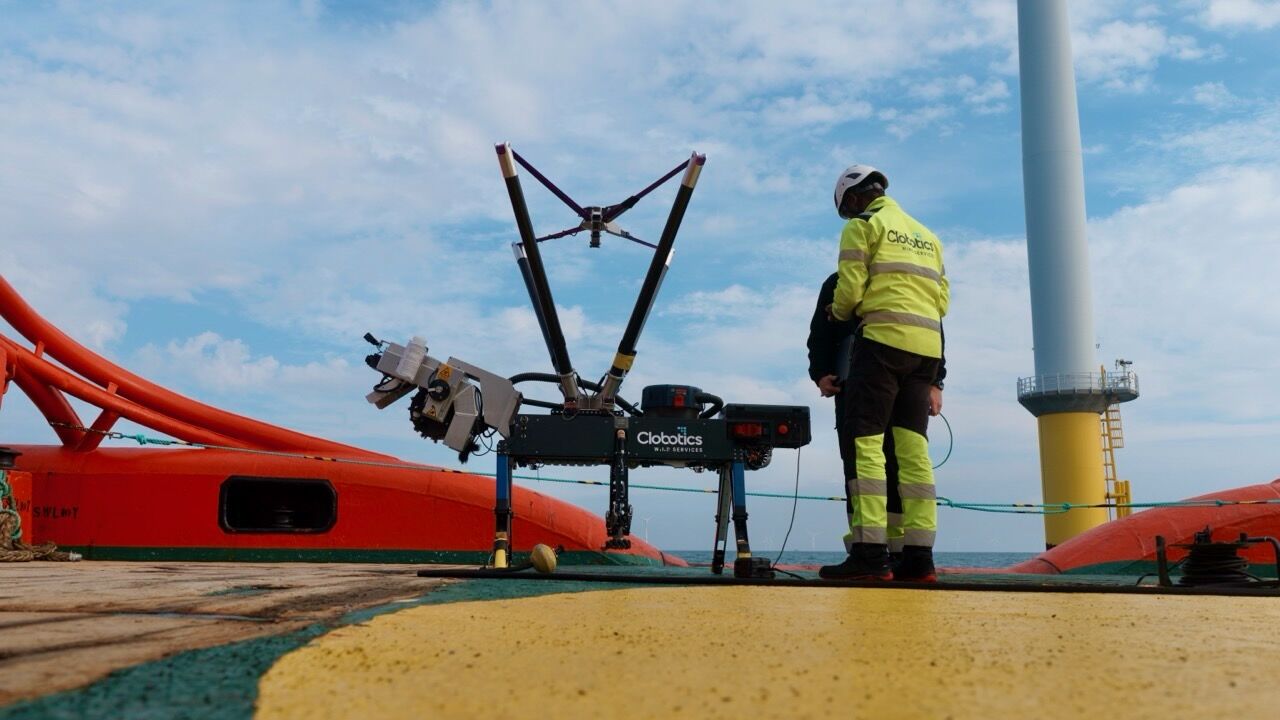
The story explained how Clobotics combined an autonomous drone, flight-control software, high-resolution imaging, and AI-assisted analysis to inspect blade surfaces and identify small defects. Images were processed through Microsoft Azure, creating a digital inspection record that operators could use for maintenance planning.
In the deployment profiled by Microsoft, one operator could complete an inspection in approximately 25 minutes, while AI-assisted reporting was delivered eight times faster than the earlier workflow. These figures describe the 2018 system covered in the original article and should be read as historical deployment results rather than current product specifications.
The same operating principle remains central to Clobotics’ current Wind Intelligence platform: collect consistent blade-condition evidence, organize it at the asset level, and connect inspection findings with maintenance and repair decisions.
Computer vision for retail execution
The Microsoft feature also examined how Clobotics applied computer vision to consumer packaged goods and store execution. Field teams could capture shelf images with smartphones, and the platform converted those images into structured information such as SKU presence, shelf share, and out-of-stock conditions.
Microsoft reported that the retail system profiled in 2018 achieved 95% SKU-identification accuracy in that deployment. The larger value was operational: instead of relying only on manual store reports, retail and CPG teams could receive more timely evidence about what was actually happening on shelves and inside branded coolers.
Clobotics has since expanded this approach into broader retail execution and shelf intelligence workflows, including availability, pricing, promotion compliance, asset monitoring, and outlet-level action planning.
The interview’s central idea: connect technology with field needs
In the Microsoft interview, Clobotics founder and CEO George Yan discussed the gap between a general technology platform and the specific needs of an operating customer. That idea connects the wind and retail businesses: the technology has to fit the field workflow, produce dependable evidence, and deliver information in a form that teams can act on.
The 2018 article is an early record of the strategy Clobotics now describes as physical AI: using intelligent capture systems, computer vision, robotics, and analytics to make physical-world operations measurable.
Read the original feature on Microsoft Stories Asia.
This page is an original summary of independent media coverage published by Microsoft Asia on November 1, 2018. Historical performance figures are attributed to that article and do not represent current product guarantees.