
Do not judge a provider by flight time alone. The real question is whether the inspection produces complete, repeatable evidence that your engineering team can use.
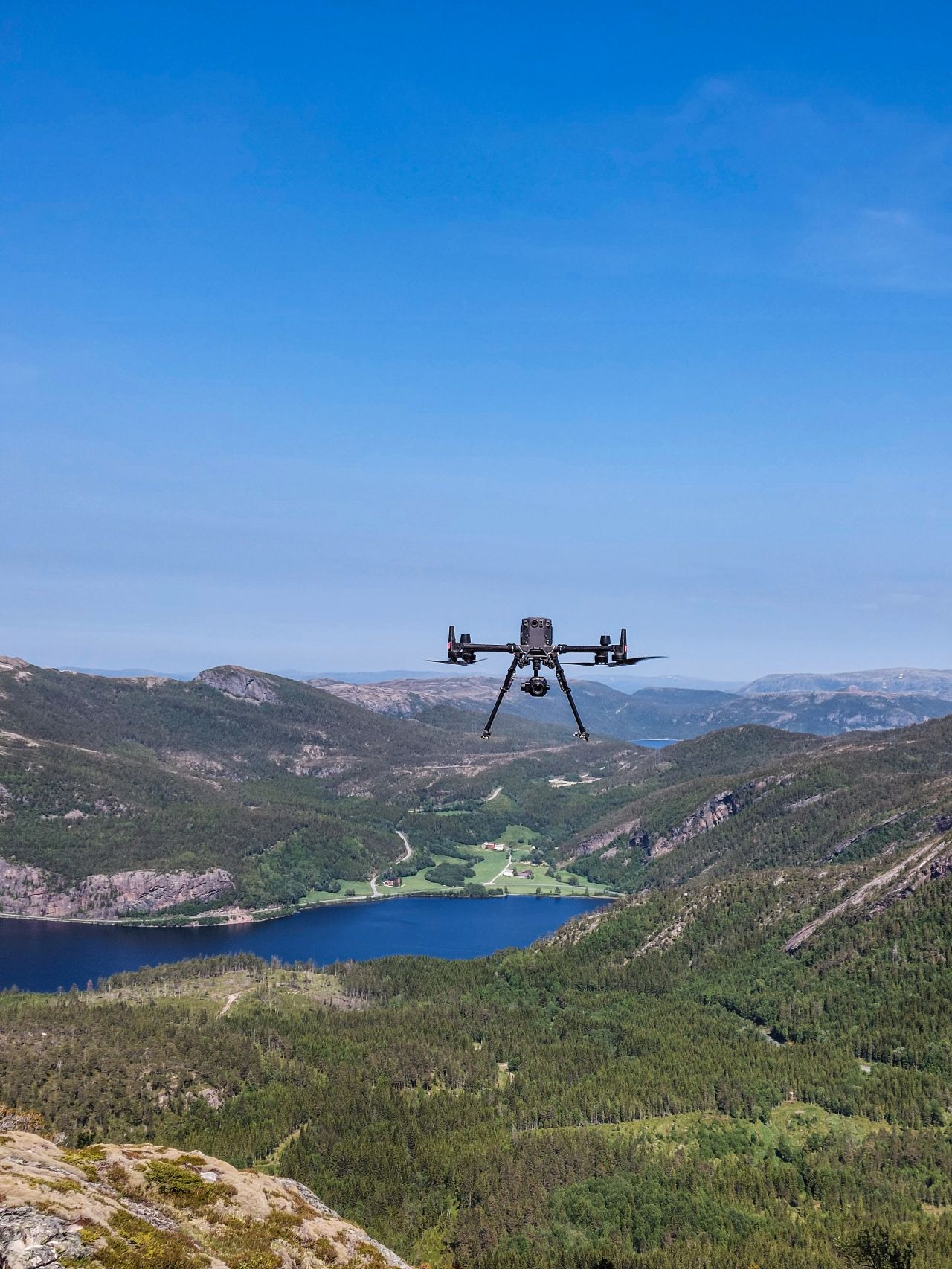
A successful inspection is not simply a completed flight. It is a controlled evidence-capture process.
A provider arrives at the wind farm, launches a drone, and returns with a set of sharp blade images. The demonstration looks successful. For the asset owner, however, the evaluation has only just begun.
Did the inspection cover all four blade surfaces? Can the same defect be found again during the next campaign? Will data collected by different operators, at different sites, follow the same standard? When a defect is found, can the result support repair prioritization and planning?
If those questions cannot be answered, a fast flight may leave behind little more than a folder of images.
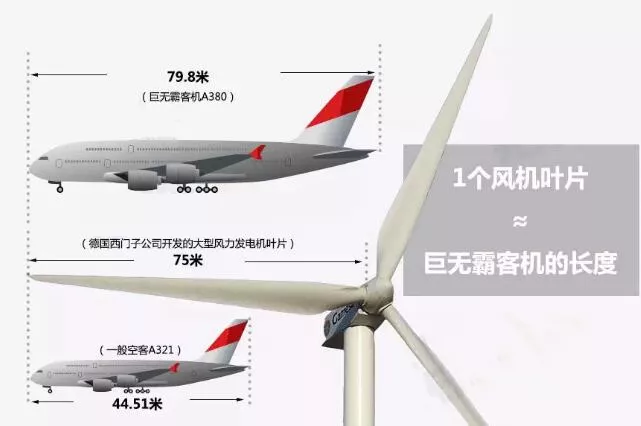
The scale of a modern blade is part of the inspection problem: a provider must capture small surface details consistently across a structure comparable in length to a large passenger aircraft.
1. Start with coverage, not the best-looking image
A single image can be impressively sharp while the inspection itself remains incomplete.
Blade surfaces are affected by glare, shadow, changing backgrounds, and the position of the sun. Image capture also becomes more difficult around the tip, hub, and tower. A useful inspection must maintain reliable coverage across the leading edge, trailing edge, pressure side, and suction side, while linking every image to the correct turbine, blade, surface, and position.
Ask each provider for a complete sample from one turbine rather than a selection of its best defect images. Look for missing areas, motion blur, poor exposure, and images that cannot be mapped back to the blade. The provider should also be able to explain how the system detects an incomplete capture and what happens when a flight is interrupted.
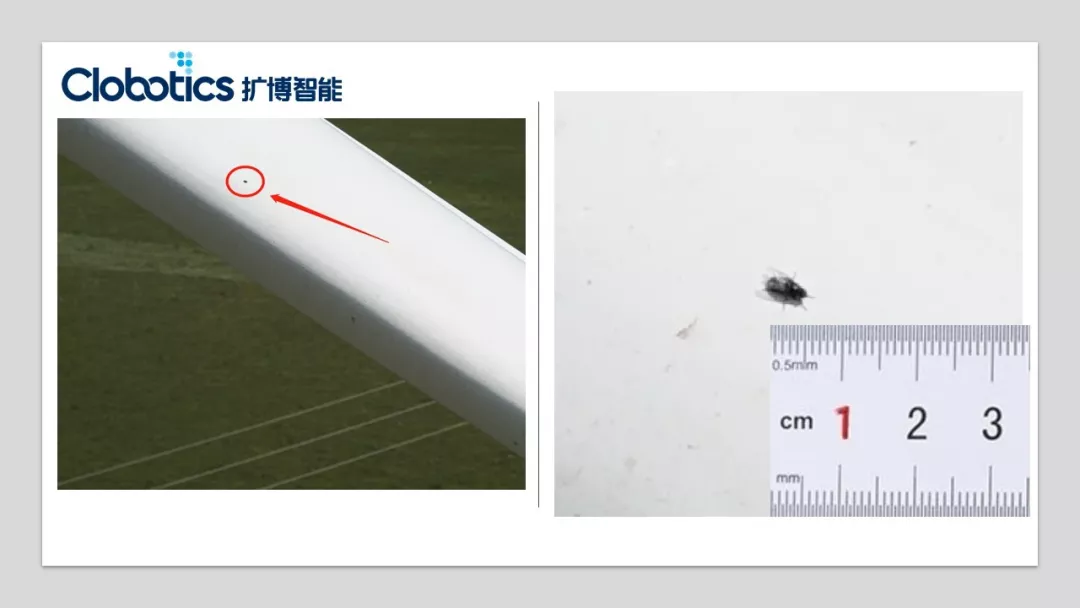
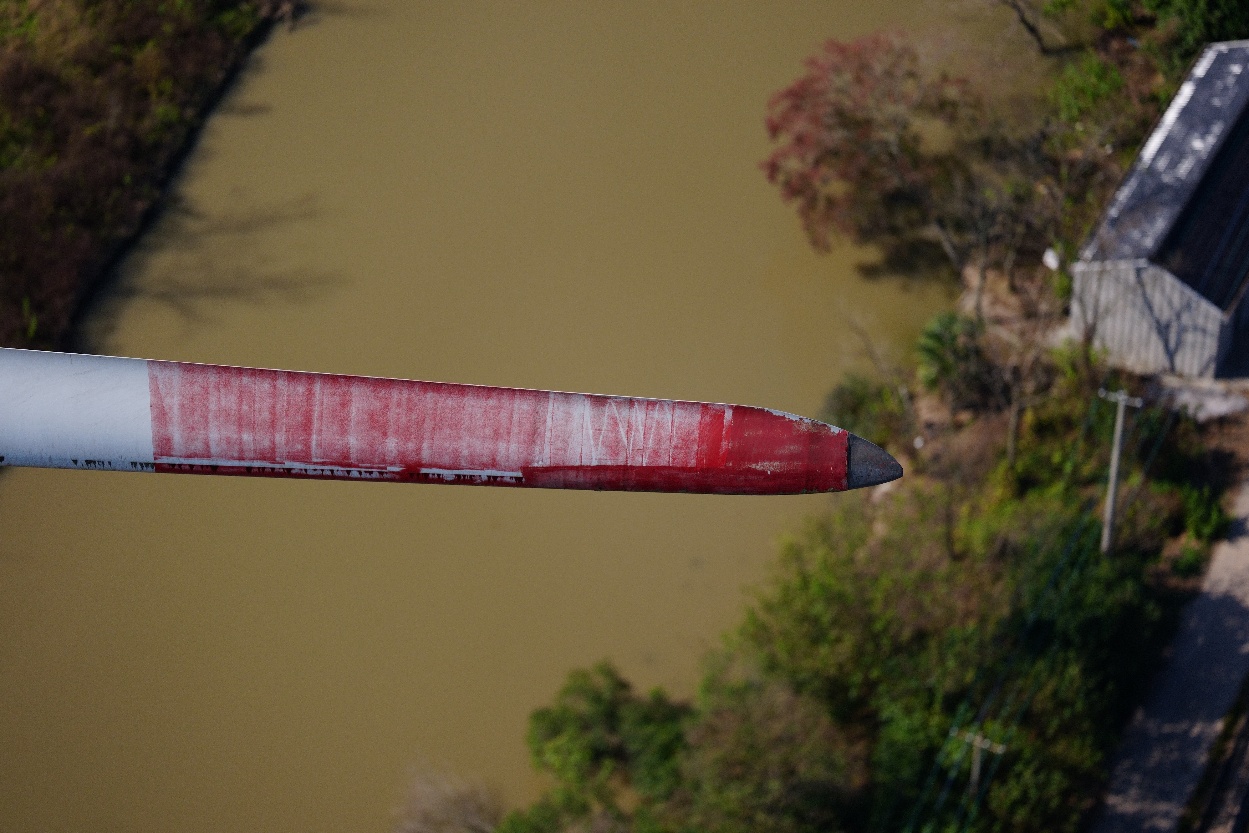
A small insect preserved in the source image illustrates the level of surface detail that inspection imagery can retain. It is evidence of image resolution—not, by itself, proof of defect-detection accuracy.
2. Test repeatability, not just automation claims
Using a drone does not automatically make an inspection autonomous or repeatable.
Manual drone inspection can collect useful images, but the result often depends heavily on the individual pilot. Change the operator, location, or service team, and the capture distance, angle, overlap, and framing may also change. That makes year-over-year comparison more difficult.
The operational value of autonomous inspection is its ability to standardize the flight path and image-capture process. When the same crack, erosion area, or lightning mark is reviewed during the next inspection, engineers need comparable evidence to determine whether it is stable or progressing.
During a trial, do not ask only how long one turbine takes. Ask the provider to repeat the same task and show whether the resulting images remain consistent. For multi-site owners, this repeatability determines whether inspection data can be scaled across a fleet.
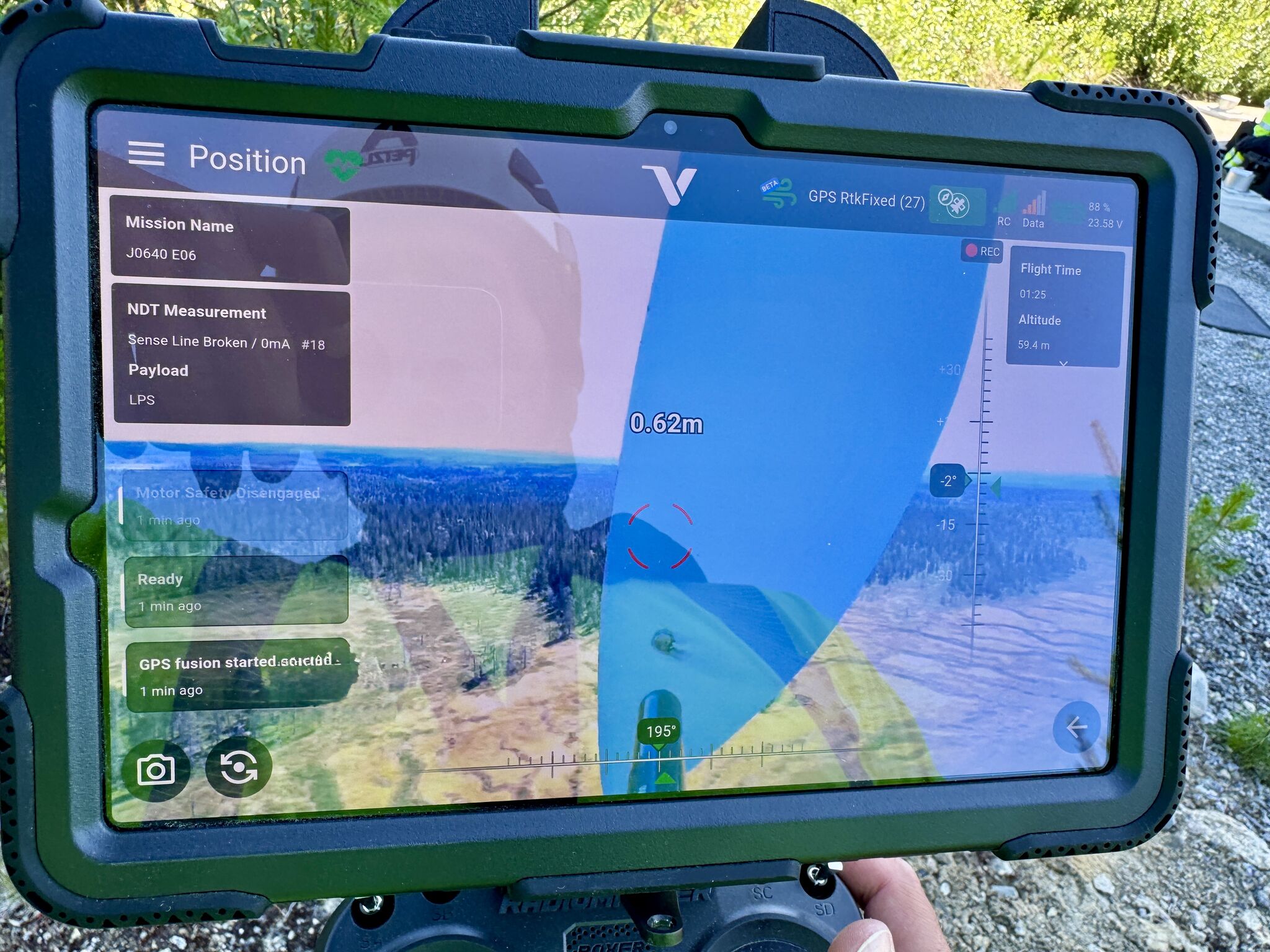
A field interface should help the operator verify position, capture conditions, and task completion—not simply control the aircraft.
3. Make sure engineers can return to the original evidence
A turbine inspection can generate hundreds or thousands of images. AI can help identify suspected defects, locate them, and perform an initial classification. But an AI label alone should not replace engineering review.
A reliable system should let an engineer move from a defect record back to the original high-resolution image and see the relevant blade, surface, and relative position. Low-confidence results, occluded areas, and ambiguous defect boundaries also require a clearly defined review process.
This is why a single headline accuracy figure is not enough. Ask where false negatives and false positives occur, which defect classes are included in the evaluation, how samples are reviewed, and who is responsible for quality control. The more useful question is not “How accurate is the AI?” but “What happens when the AI is uncertain or wrong?”
4. Check whether the report supports a repair decision
A report that lists twenty findings does not necessarily tell the O&M team what to do next.
Repair planning requires context: defect type, dimensions, blade position, severity, previous observations, and the importance of the turbine. Offshore projects add further constraints, including weather windows, vessel availability, personnel transfer, and downtime.
If the provider delivers only a static PDF, the owner may still need to reorganize the findings before defining a repair scope. The procurement process should therefore test how the data can be filtered, compared with previous inspections, exported, and connected to existing asset-management or work-order systems.
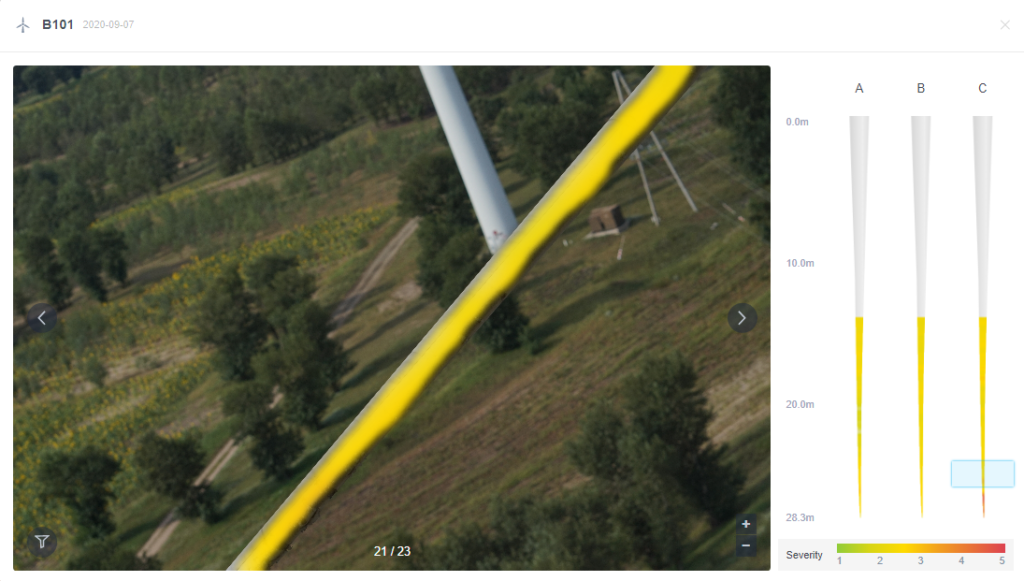
Inspection evidence becomes more useful when a finding is connected to its blade position, severity, and asset history.
The best inspection result does more than describe what was found. It helps the team decide what should happen next.
5. Compare total inspection cost, not price per turbine
The cost of blade inspection extends beyond the flight itself. Site mobilization, turbine coordination, weather delays, recapture, data upload, engineering review, report preparation, and follow-up verification all consume time and resources.
This matters particularly offshore. A low unit price can become expensive if images need to be recaptured or if the output cannot be used to plan repairs.
Ask every shortlisted provider to describe the full operating model for the same project: the number of people required on site, turbine-state and weather requirements, expected daily throughput under stated conditions, report turnaround time, and responsibility for unusable data. Only then can competing prices be compared on a like-for-like basis.
6. Validate the provider with your own blades
Case studies are useful for building a shortlist, but the final decision should be based on a controlled evaluation.
Select a small group of turbines that represent different models, known defects, or operating conditions. Let each provider perform the capture and submit its report without being given the full answer set in advance. Then compare coverage completeness, missed defects, false positives, localization, repeatability, report turnaround, and system usability.
The results should be reviewed by the owner’s blade specialists or an independent engineering team. This turns a polished demonstration into a measurable performance baseline under conditions that resemble the real project.
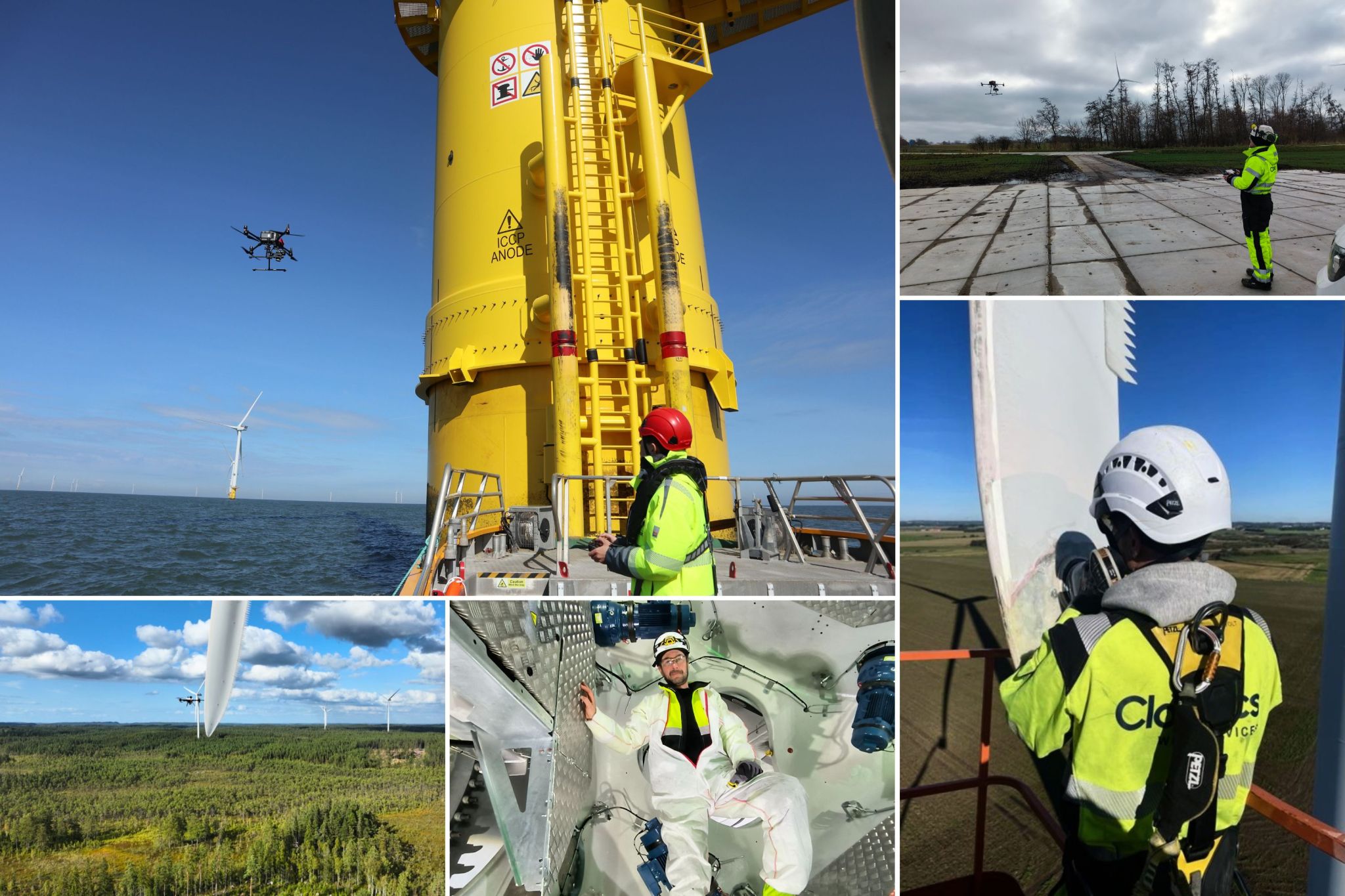
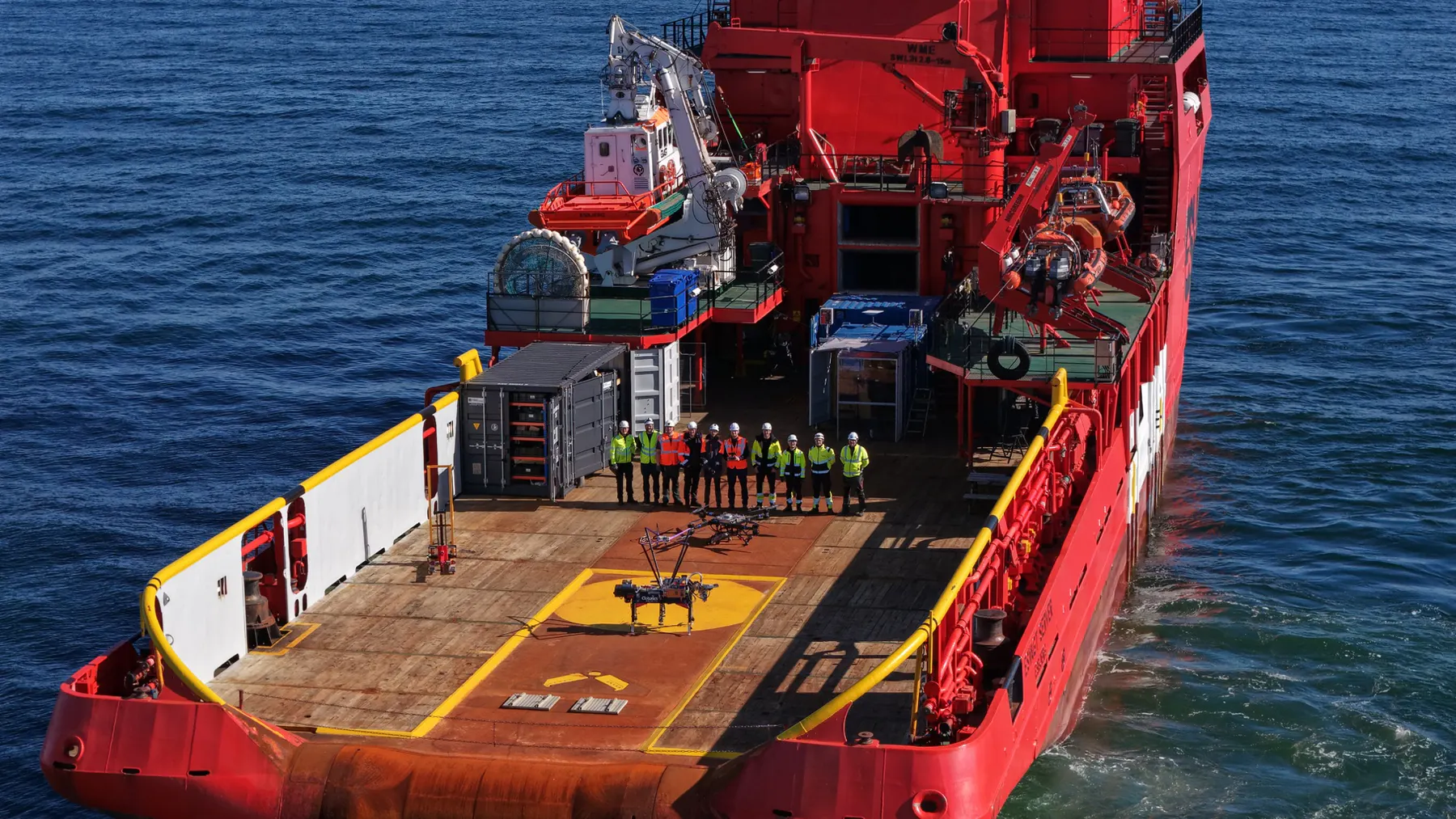
The provider’s operating model should remain reliable across different sites, turbine types, and access conditions.
What evidence should you request before selecting a provider?
Before making a final decision, ask for five things:
- A complete turbine dataset, including original images, coverage records, and the final defect report.
- The process for detecting and resolving missing, blurred, or unusable images.
- A clear description of AI analysis, human review, and quality assurance.
- The ability to compare the same defect over time and export structured data.
- A practical workflow connecting detection, prioritization, repair, and reinspection.
The purpose of blade inspection is not simply to take photographs. It is to help the owner maintain a reliable understanding of every blade and make better repair decisions within limited budgets and weather windows.
That is why the provider should be evaluated as part of the maintenance evidence chain—not only as a drone operator.
Frequently asked questions
What is the most important evidence to request from a blade inspection provider?
Request one complete turbine deliverable: original images, coverage records, defect locations, human-review results, and the final report. A selection of sharp images cannot demonstrate whether the full task was complete or whether the output can support maintenance planning.
How should owners compare autonomous and manual drone inspection?
Do not compare flight time alone. Compare capture distance, image angle, surface coverage, and consistency when the same task is repeated. The main operational value of autonomous inspection is the ability to standardize repeatable flight and capture steps across sites and inspection years.
How can inspection coverage be verified?
The deliverable should show coverage of the leading edge, trailing edge, pressure side, and suction side, while identifying missed, low-quality, or low-confidence areas. The provider should also explain how these issues are detected in the field and whether recapture occurs before the team leaves the site.
What should a decision-ready inspection report include?
Each finding should be linked to the turbine, blade, surface, and relative position, with its type, dimensions or size range, severity, confidence, historical change, and recommended action. Engineers should also be able to return from the report to the original high-resolution evidence.
Should providers be compared by price per turbine?
Price per turbine is only one part of total cost. The comparison should also include mobilization, weather delays, turbine coordination, recapture, human review, reporting, and follow-up verification. Offshore programs should be evaluated using the complete campaign operating model.
Evaluate the full evidence chain
Review one complete turbine dataset
Clobotics can walk your team through autonomous blade inspection, defect analysis, and asset records using a representative operating scenario.