Retail campaign execution determines whether a planned promotion actually reaches shoppers in every target outlet. For CPG brands, real-time promotion monitoring makes it possible to verify campaign compliance, detect gaps, and direct field action before the commercial window closes.
The correct poster may be installed, but the promoted multipack is missing. The product may be available, but the price is wrong. A branded cooler may be present while a competitor occupies most of its visible space. In another outlet, materials from the previous campaign may still be on display.
By the time these problems appear in a national report, the match or consumer moment that created the opportunity may already be over.
The 2026 World Cup is a high-pressure example of this broader retail execution challenge. According to the official FIFA schedule, the tournament runs from June 11 to July 19, with 48 teams competing across 104 matches. Food, beverage, snack, and confectionery brands have just over five weeks to execute campaigns across supermarkets, convenience stores, traditional trade, restaurants, and entertainment venues.
The campaign may be planned globally, but its performance is decided store by store.
How do CPG brands monitor retail promotions in real time?
Retail campaign execution monitoring is the process of verifying whether campaign materials, promoted products, prices, and placements appear correctly in each target outlet while the promotion is active. It connects store-level evidence with campaign monitoring, promotion compliance, competitive activity, and real-time field action.
It helps brands identify execution gaps, understand competitor activity, and direct field teams toward stores where corrective action can still improve the commercial result. The purpose is to manage the campaign while it is running, rather than document problems after it ends.
Why national campaigns fragment at store level
At headquarters, the campaign appears coordinated: assets are approved, materials are produced, retailers receive instructions, and the launch date is fixed. Store conditions are less predictable. Materials arrive at different times, formats vary by channel, and competitors change prices, facings, and displays throughout the campaign.
This is why campaign monitoring needs an observable standard for each channel. Brands must define the correct material version, promoted SKU, price, placement, and activation period for every relevant store format.
Campaign assets also need a controlled identity. Each material record should include its design, version, intended channel, market, and active dates. Otherwise, an outdated poster with similar branding may be incorrectly counted as compliant.
Distribution does not prove execution
A delivery record confirms that campaign materials entered the distribution network. It does not confirm that they reached the correct store, were installed properly, or appeared with the intended product and price.
| Stage | Question |
|---|---|
| Distribution | Was the material shipped to the intended market or outlet? |
| Presence | Did it appear in the target store? |
| Compliance | Was the correct version installed according to the channel standard? |
| Commercial execution | Were the promoted product, price, and placement aligned? |
This distinction reveals where a campaign is breaking down. If materials never reach the store, the problem may involve allocation or distribution. If they arrive but remain unused, store adoption or field execution may require attention. If the display is present but the product is unavailable, the issue has moved into assortment or replenishment.
A single “POSM present” result cannot explain these differences.
Monitor the complete shopper experience
Campaign materials do not create value in isolation. The shopper experiences the material, product, price, placement, and surrounding category together. A tournament poster has limited value if the promoted pack is unavailable or priced incorrectly; a branded cooler can still lose attention when competitor products occupy its strongest positions.
Monitoring these signals together gives commercial teams a more useful diagnosis. Instead of reporting that a store failed compliance, the system can indicate whether the outlet needs a material replacement, product replenishment, price correction, display adjustment, or follow-up visit.
Major sporting events also create a temporary increase in category competition. Competitor monitoring can reveal changes in assortment, facings, share of shelf, promotional prices, secondary displays, and branded assets.
Competitive pressure also varies by channel and region. Store-level evidence shows where a rival is gaining facings, promotional space, or price advantage, so teams can respond in the outlets that matter most.
Trust the evidence behind the campaign score
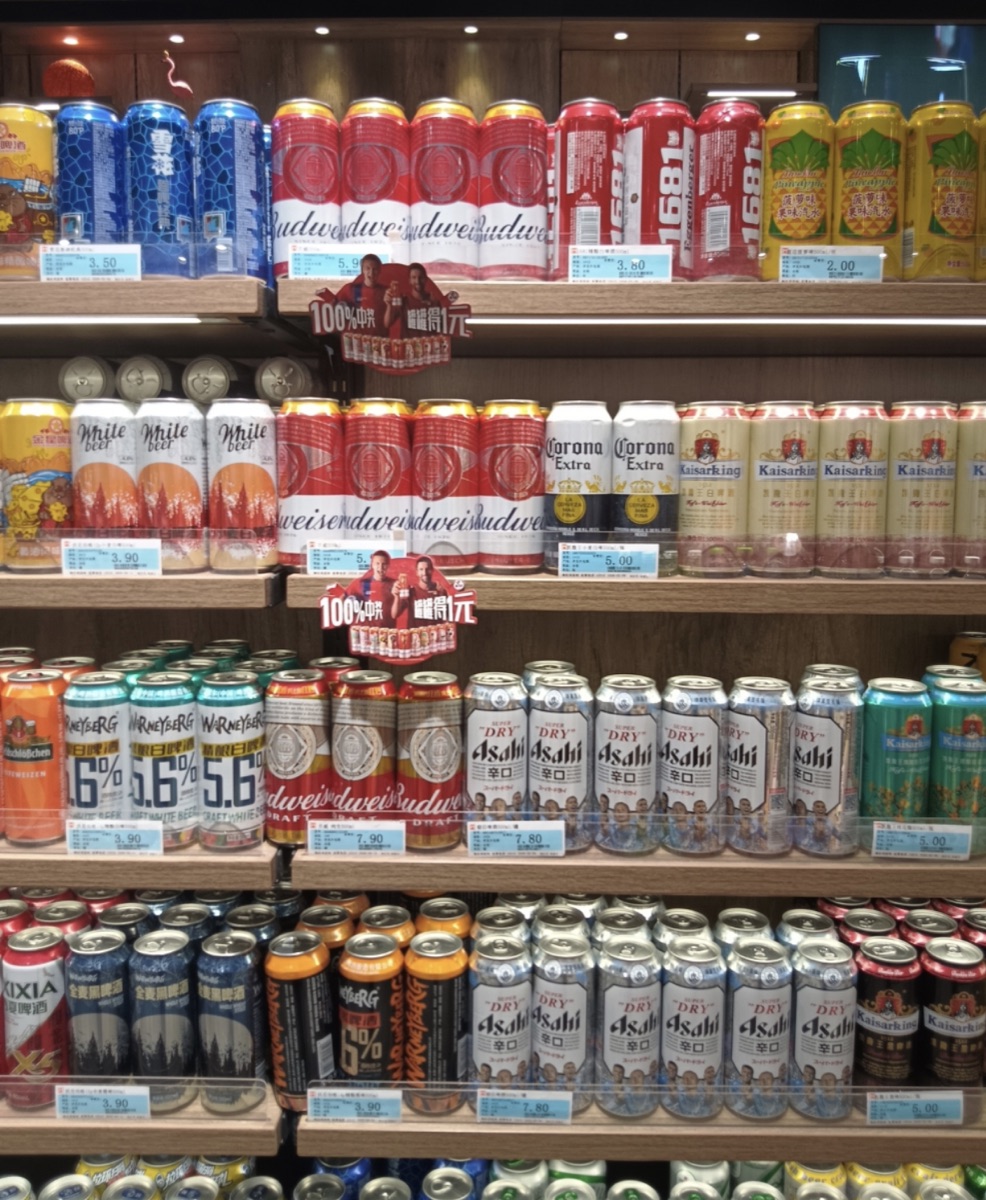
Campaign monitoring is only as reliable as its field evidence. Duplicate images, reused content, blurred submissions, incomplete coverage, and evidence captured at the wrong location can distort results before recognition begins.
A reliable workflow should verify both the content and the context of each submission. Image and video quality checks can identify incomplete, dark, duplicated, or recaptured evidence. Geolocation, timestamps, outlet records, and visit rules provide additional confidence that the submission belongs to the correct store and task.
The capture method should match the store environment. A still image may be sufficient for a poster or compact display. Structured video can be more efficient for long shelves, crowded coolers, large promotional areas, or environments containing many SKUs.
Human review remains important for unusual store conditions, new assets, and disputed results, especially when campaign data affects field incentives, distributor discussions, or trade investment.
How a global alcoholic beverage brand monitors retail activations
Clobotics has worked with a global alcoholic beverage brand to monitor retail activations across a large and frequently changing product and campaign-material portfolio.
The program includes more than 7,000 active SKUs and over 550 types of in-store campaign materials. During a peak campaign month, the platform has processed approximately six million store images.
The workflow supports product presence, facings, share of shelf, price recognition, promotional-material compliance, and competitor monitoring. The program includes a recognition accuracy commitment above 95%, supported by automated quality checks and human review for exceptions.
Before launch, approved designs and material specifications prepare the initial recognition models. Synthetic and 3D visuals help the system learn new assets before enough store images are available; field evidence then improves performance across real angles, lighting, displays, and store conditions.
Field representatives capture execution through images or structured video. Clobotics verifies evidence quality, identifies products and campaign materials, applies channel-specific rules, and returns structured results for reporting, integration, and frontline action.
The platform determines whether the intended outlet has the correct material, product, price, and placement, then returns the result while the business can still act.
For another example of verified store evidence becoming frontline action, see the Clobotics retail execution case study.
The operating lesson
The World Cup makes retail execution gaps more costly because the commercial window is short and competitive activity is intense. The same operating discipline applies to seasonal launches, holiday promotions, and limited-edition products.
A campaign succeeds when the intended brand experience reaches the shopper—and when teams can correct the stores where it does not.
About Clobotics
Clobotics helps consumer brands turn store images and videos into verified retail execution data and frontline action. Its platform supports product availability, pricing, facings, share of shelf, POSM compliance, competitor monitoring, visit validation, and channel-specific execution rules.
Explore the Clobotics retail execution platform or talk to our team about monitoring your next retail activation while there is still time to improve it.